 2013
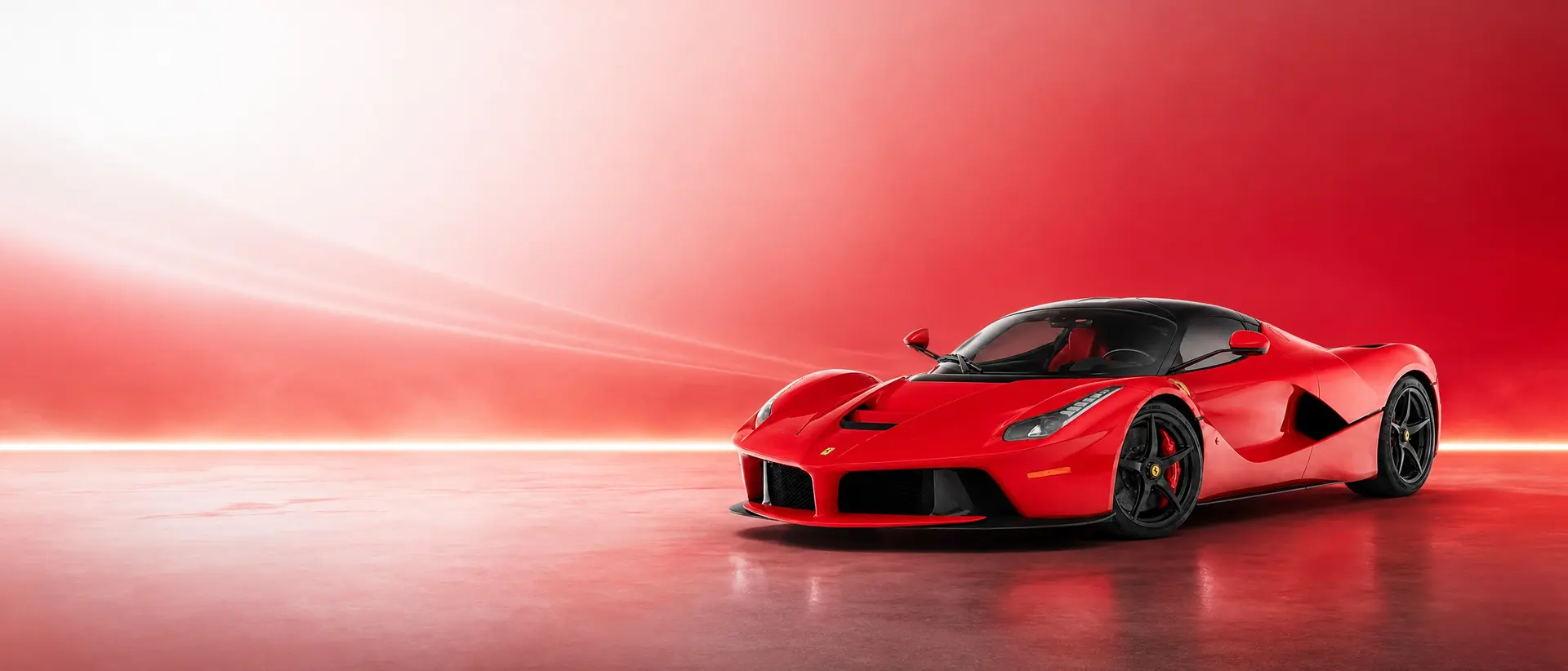
2013LaFerrari
Design director · Ferrari Styling Centre
The first Ferrari road car styled entirely by the company rather than Pininfarina. Manzoni’s team drew it in close cooperation with the technical departments — the in-house era begins here.
 AI-generated
People · Designer · b. 1965
Flavio
l’architetto di Maranello
The in-house era
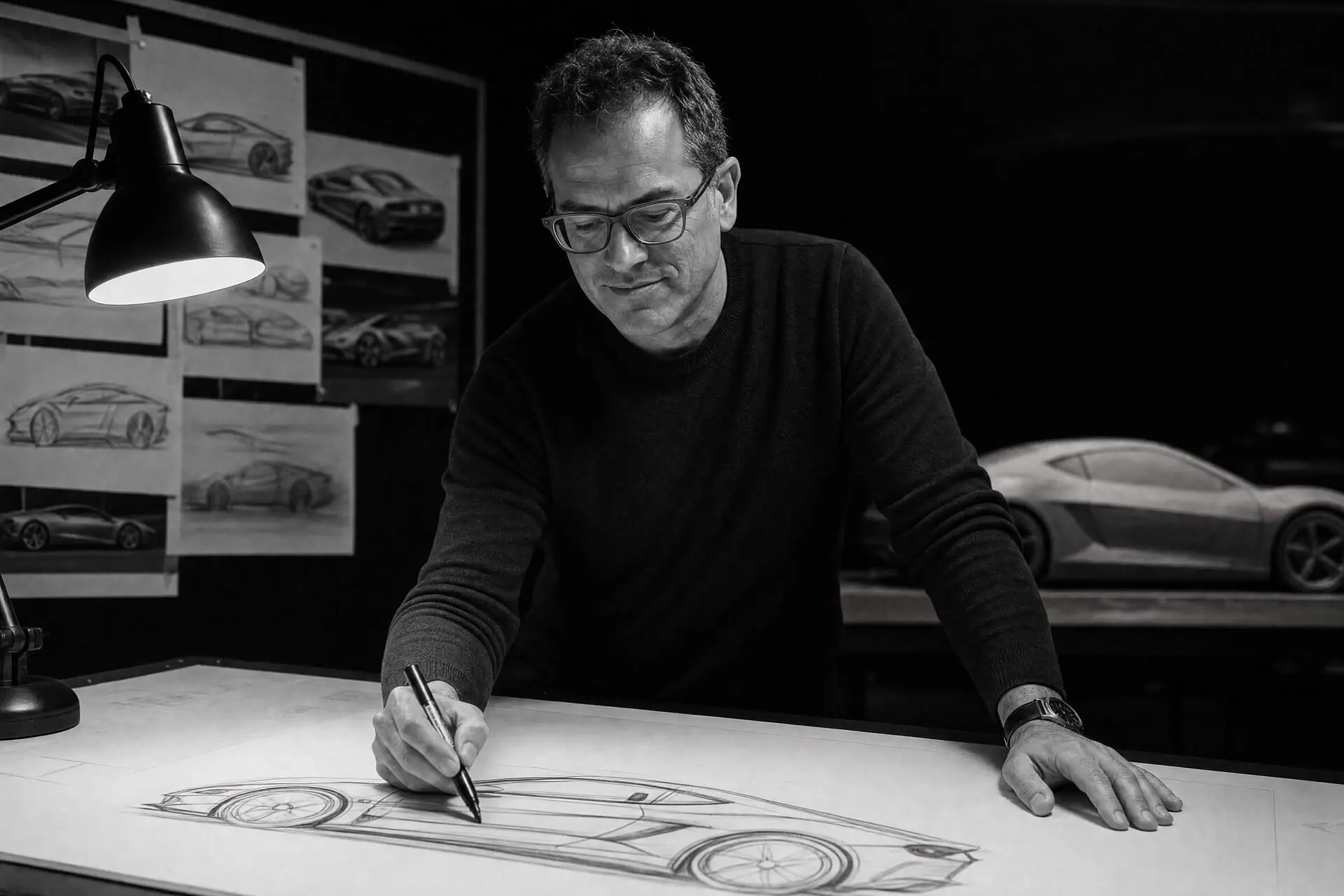
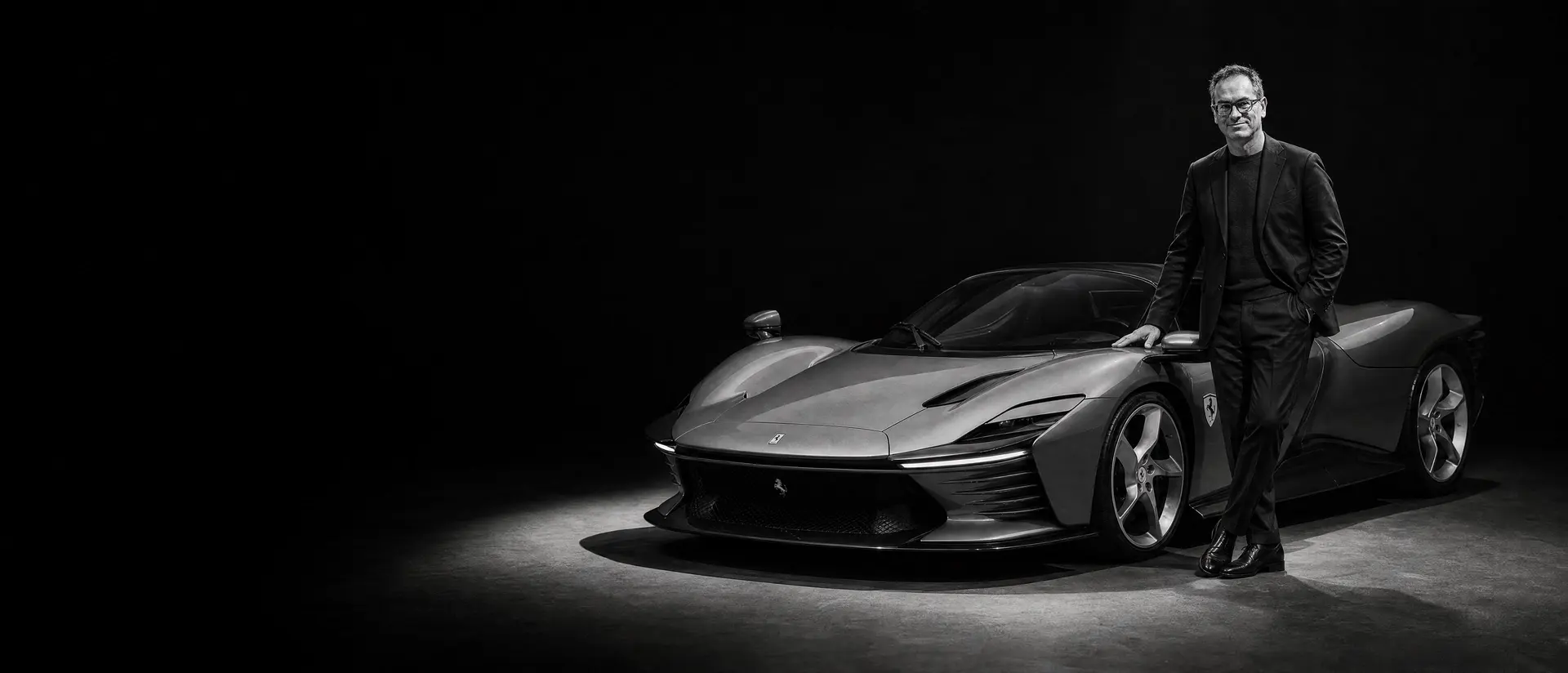
Since January 2010, Manzoni has led Ferrari’s design from within. LaFerrari was the first road car styled entirely by the company rather than Pininfarina, and everything since — special series, one-offs, an Icona, a supercar — has been drawn a corridor away from the engineers it answers to.
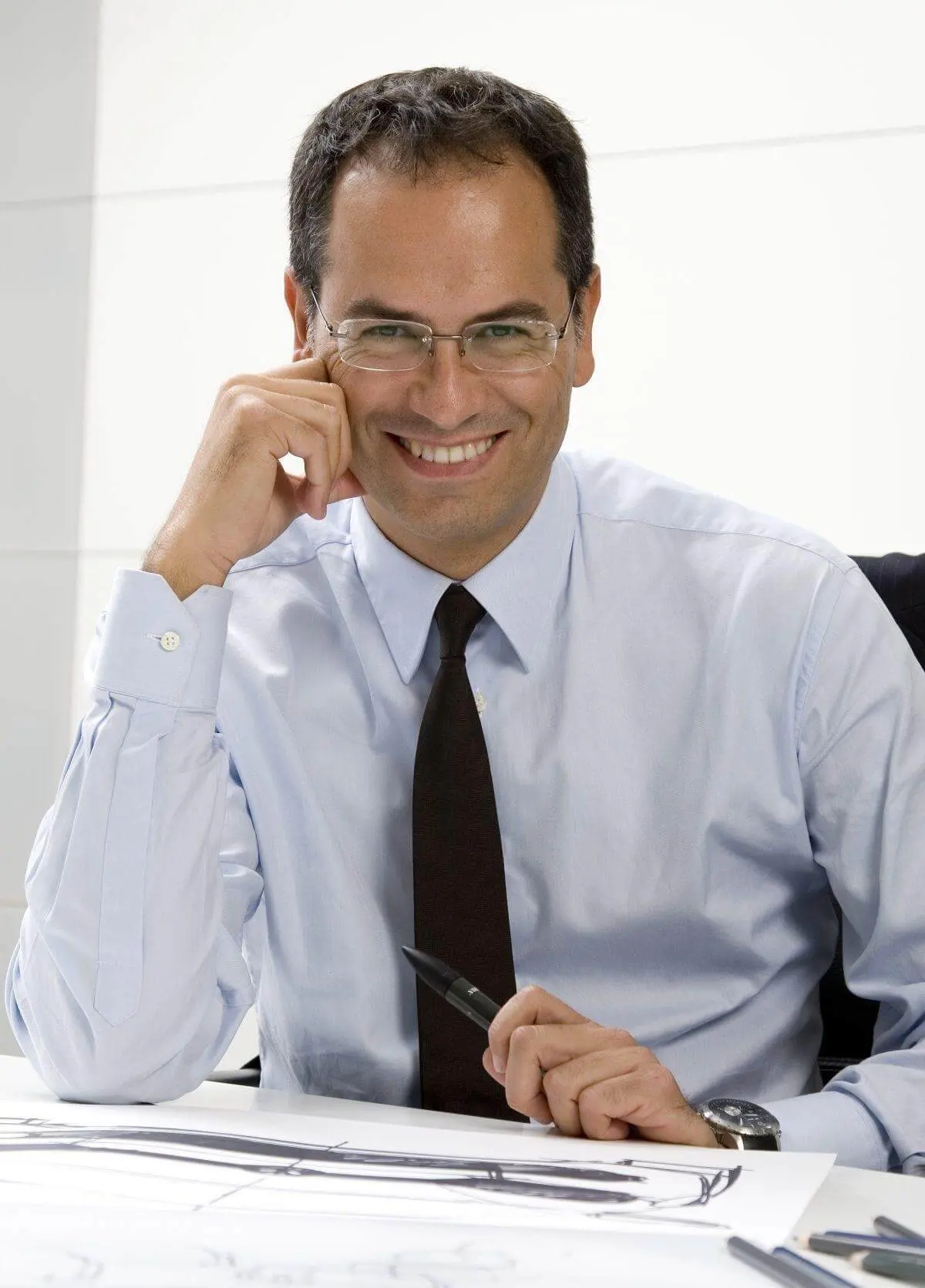
An architect by training — Florence, with an industrial-design specialisation — he arrived through the interiors of Lancia and SEAT, the design direction of Fiat, and Volkswagen Group’s creative studios. His constant claim is that form and function are developed together, not sequentially; the register below holds the fourteen files where that argument is documented.
The register
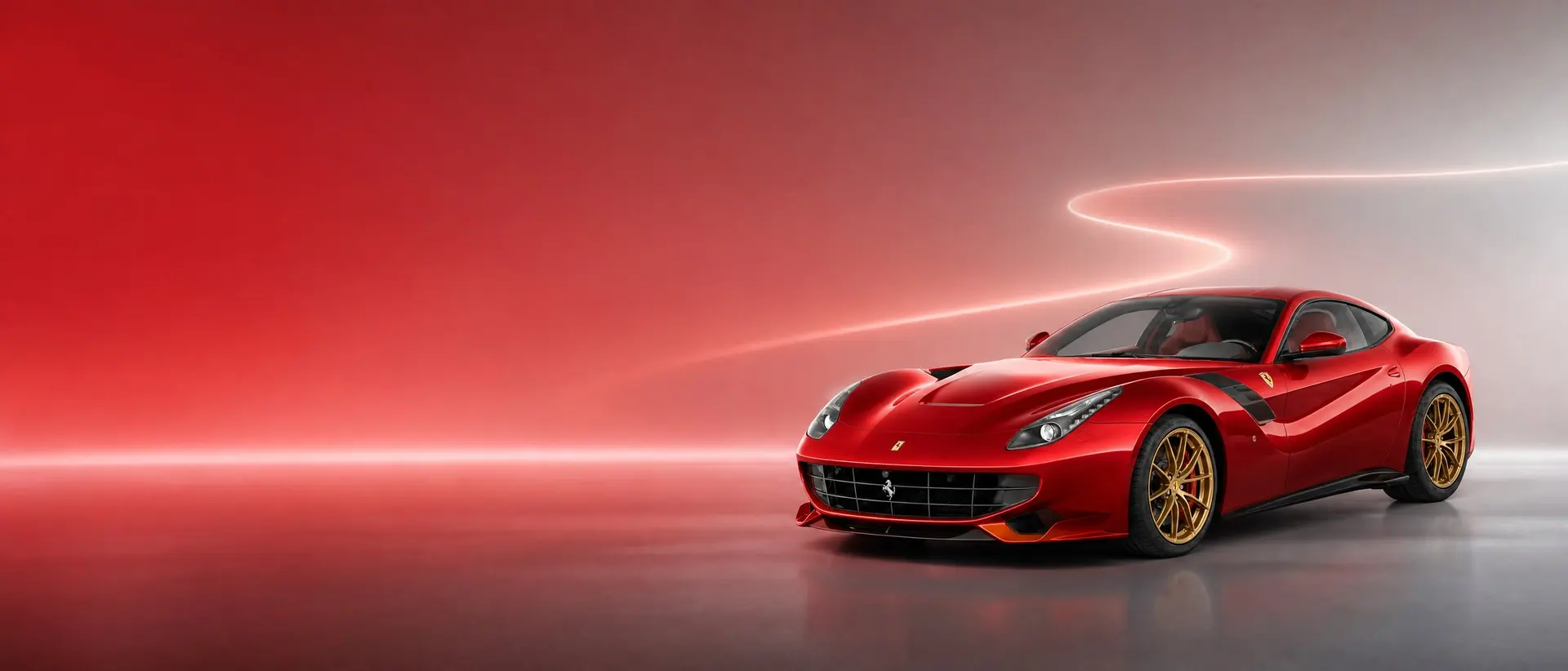
2013Design director · Ferrari Styling Centre
The first Ferrari road car styled entirely by the company rather than Pininfarina. Manzoni’s team drew it in close cooperation with the technical departments — the in-house era begins here.
 2015
2015Design director · Ferrari Styling Centre
A special series named for the Tour de France endurance race Ferrari dominated in the 1950s and 1960s. His team owned the body and its aerodynamic treatment.
 2022
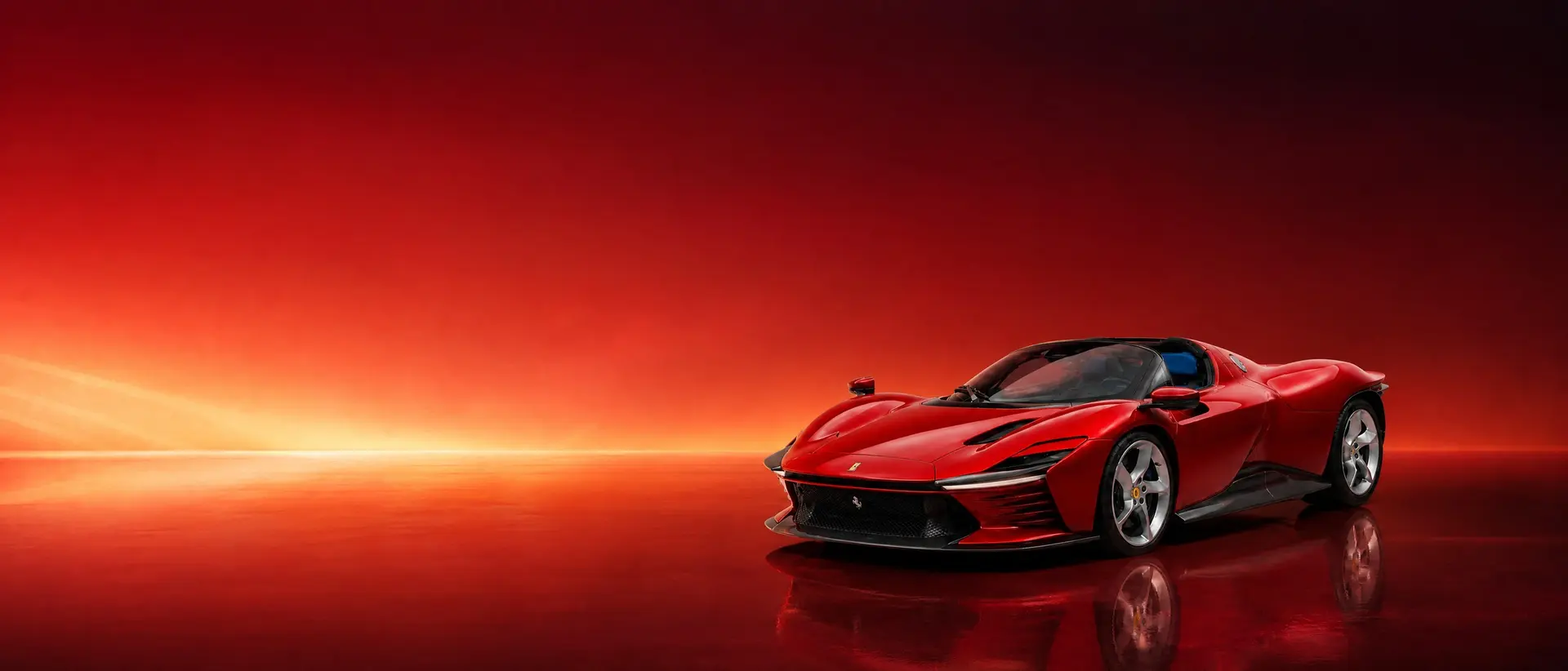
2022Chief design officer · Ferrari Design
The second Icona, named for the 1967 Daytona 1–2–3. Manzoni’s team translated 1960s sports-prototype language into contemporary, passive-aero forms — the shape does the aerodynamic work.
 2024
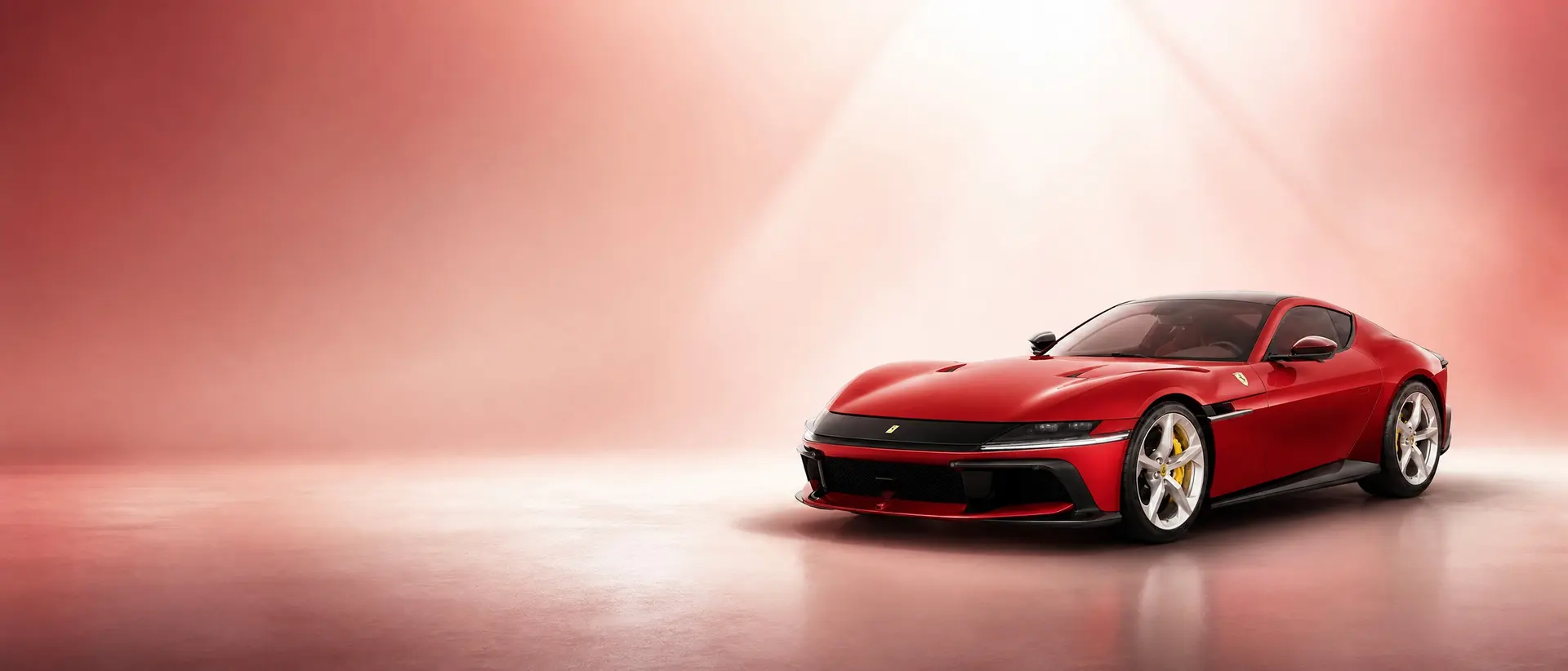
2024Design director · Ferrari Styling Centre
The 812’s sculptural language replaced with a geometric visor and split active rear surfaces — a deliberate new design language for the front-mid-engined V12 line, led by function rather than retro replication.
 2025
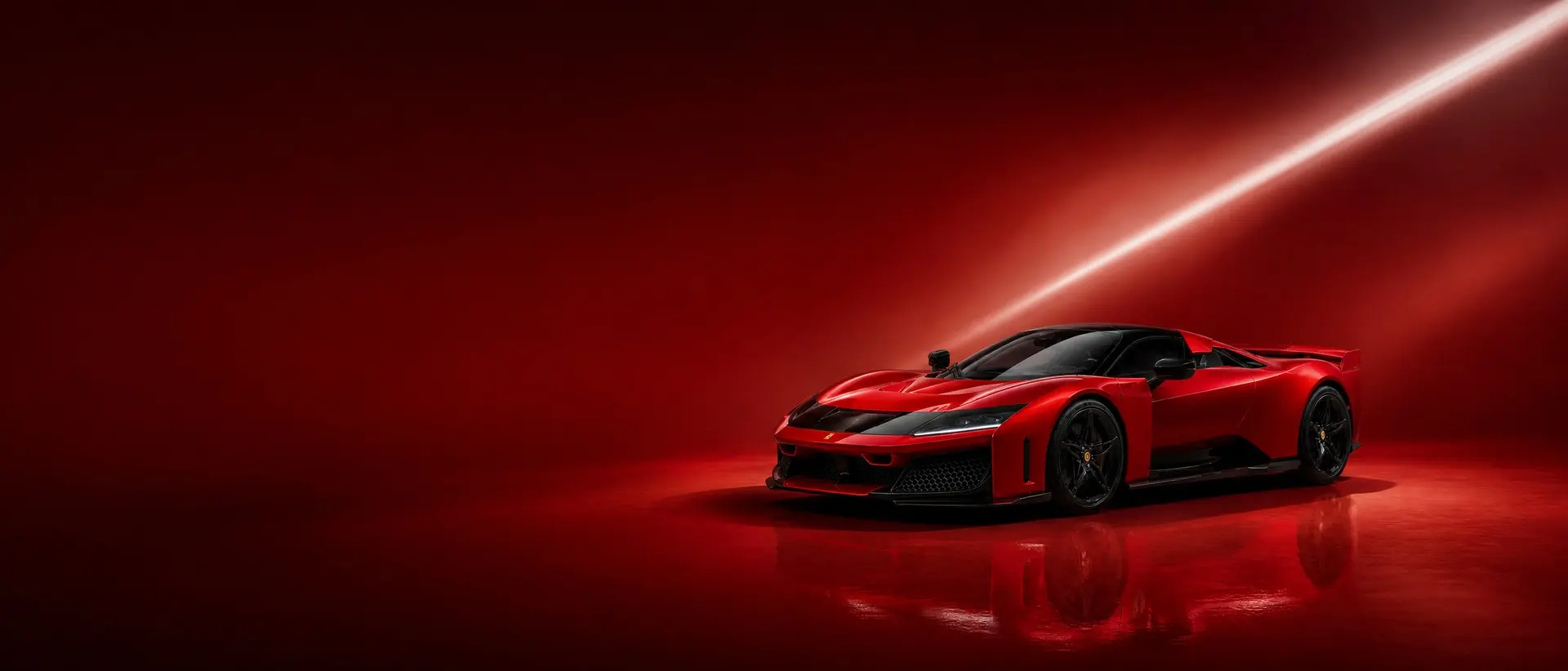
2025Design director · Ferrari Styling Centre
The narrow 1+ cabin, the visor front, the active-aero body — developed with engineering, aerodynamics and ergonomics in continuous collaboration. The supercar as one integrated argument.
Also in the register
Signature strokes
The Styling Centre sits in synergy with engineering — external surface linked to internal component, form developed with the machine, never applied afterward.
The 296 Speciale wears its downforce; the Daytona SP3 uses passive aero as the formal driver. The technical function is the visible subject, not a secret.
The team’s stated method is removing the superfluous. Recent cars are volume-led and clean — nothing decorates, everything works.
The 296 GTB draws on the 250 LM’s compact architecture; the Daytona SP3 on 1960s prototypes. Source material, never a template.
Wraparound visor glazing, tried on the J50 and P80/C, returns on the 12Cilindri and F80 — the cabin read as a single optical band.
The archive
Event photographs, an editorial portrait and one reconstruction — choose a print and it pushes the others aside.
Paris Motor Show, 2018. Matti Blume, CC BY-SA 4.0.
Before Maranello
Complete interior design for saloon and station wagon.
Complete interior-design work, presented in 1998.
Concept-car interior.
Interior-design programme.
Show-car interior project.
Complete interior-design project.
Complete interior, shown at Paris in 2000.
Complete interior for the concept, Geneva 2001.
Concept project.
Coordinated production project.
Coordinated project, shown at Geneva in 2004.
Coordinated concept, shown at IAA Frankfurt and Bologna.
The houses
Manzoni’s house is the one he runs: the Ferrari Styling Centre, which under his direction became the sole author of the marque’s road cars — LaFerrari the first styled entirely in-house. The path there ran through the interiors studios of Lancia and SEAT, the design direction of the Fiat Group, and Volkswagen Group’s creative-design directorship.
Chief design officer, Ferrari, 2010–
 Designer; led Lancia interiors from 1996
SEAT, Spain
Interior-design responsibilityFiat Group
Head of design, Lancia, Fiat and LCVVolkswagen Group
Director of creative design Head of design; today chief design officer
In his words
“Perhaps it is only experts who can really appreciate just how interconnected form and function have become.”
Flavio Manzoni · Ferrari Magazine, 2020