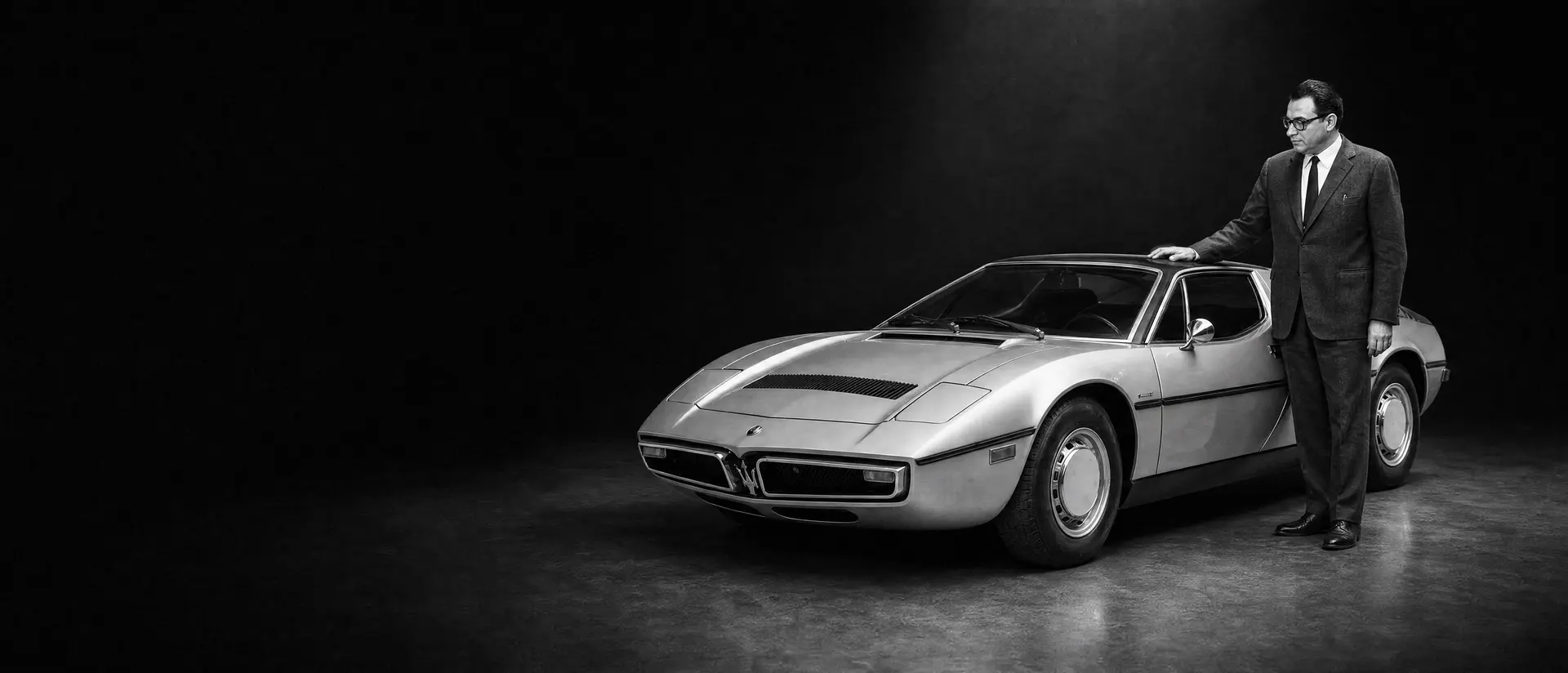
Giulio Alfieri in a dark period jacket standing beside a Maserati Bora under a single spotlightAI-generated

People · Engineer · 1924–2002

Giulio

l’ingegnere del tridente

Born
Parma, 1924
Died
Modena, 2002
House
Maserati, Modena, 1953–1975
In the register
Seven files

The through-line

Alfieri’s work is the conversion of competition thinking into cars that could be sold, driven far and serviced: race-derived engines made tractable, a monarch’s one-off request answered with a complete engineering programme, radical layouts that never forgot the luggage. Seven Maserati files in the register carry his name — more than any other hand in it.

He came to Modena from steam turbines and Lambrettas, joined the 250F programme in 1953, and ran Maserati’s engineering for over two decades — through the racing withdrawal, the grand-touring years and the Citroën era. Structure, packaging and mechanical coherence took priority over any personal styling signature; the stylists changed, the engineering line never broke.

The register

Seven files on one line

Every file below is a station on the same development chain — engines, chassis and packaging handed forward from car to car for twenty-two years.

Engineering moves

The wet sump, the lattice, the cant

The wet sump

Race hardware made road-serviceable: the 3500 GT and 5000 GT rework racing engines and their supporting systems for the road, never merely detune them.

The lattice

The Birdcage’s roughly two hundred triangulated tubes put stiffness only where the loads asked for it. Structural economy as a signature.

The canted engine

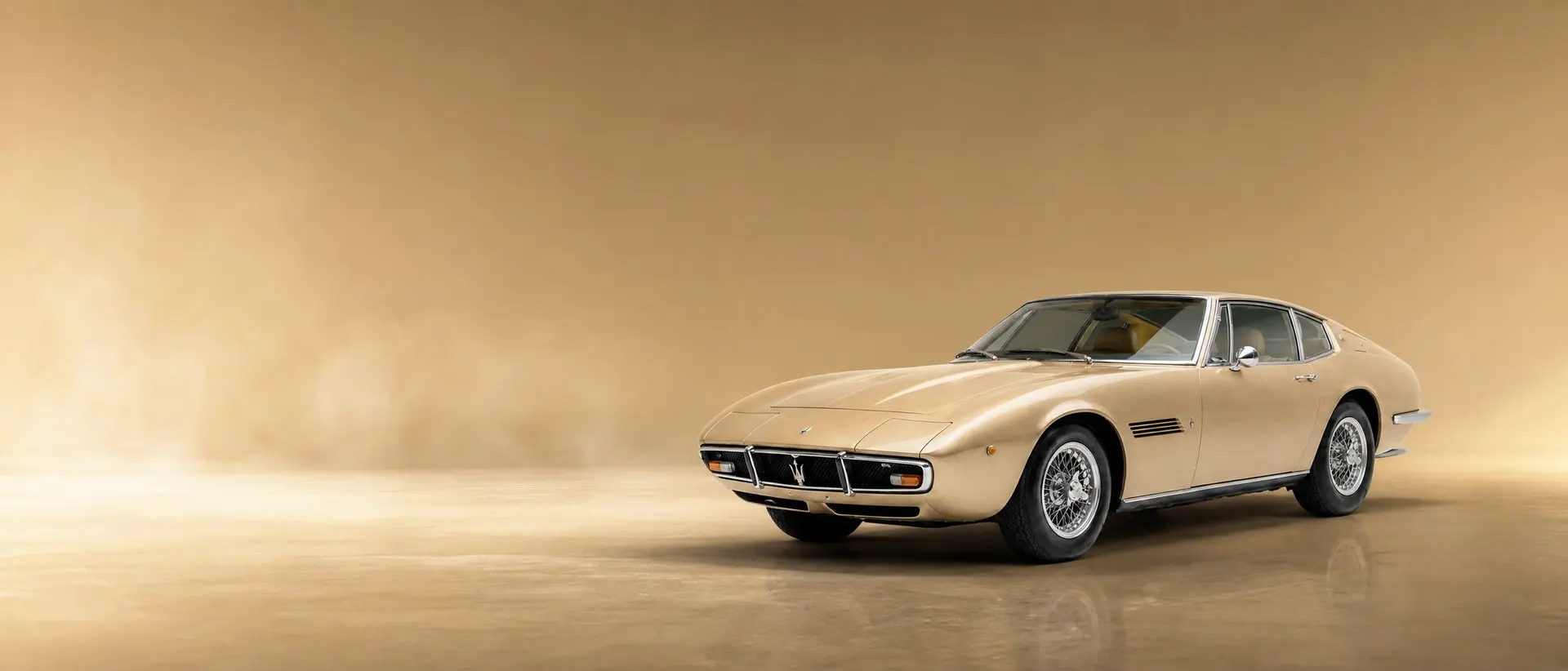
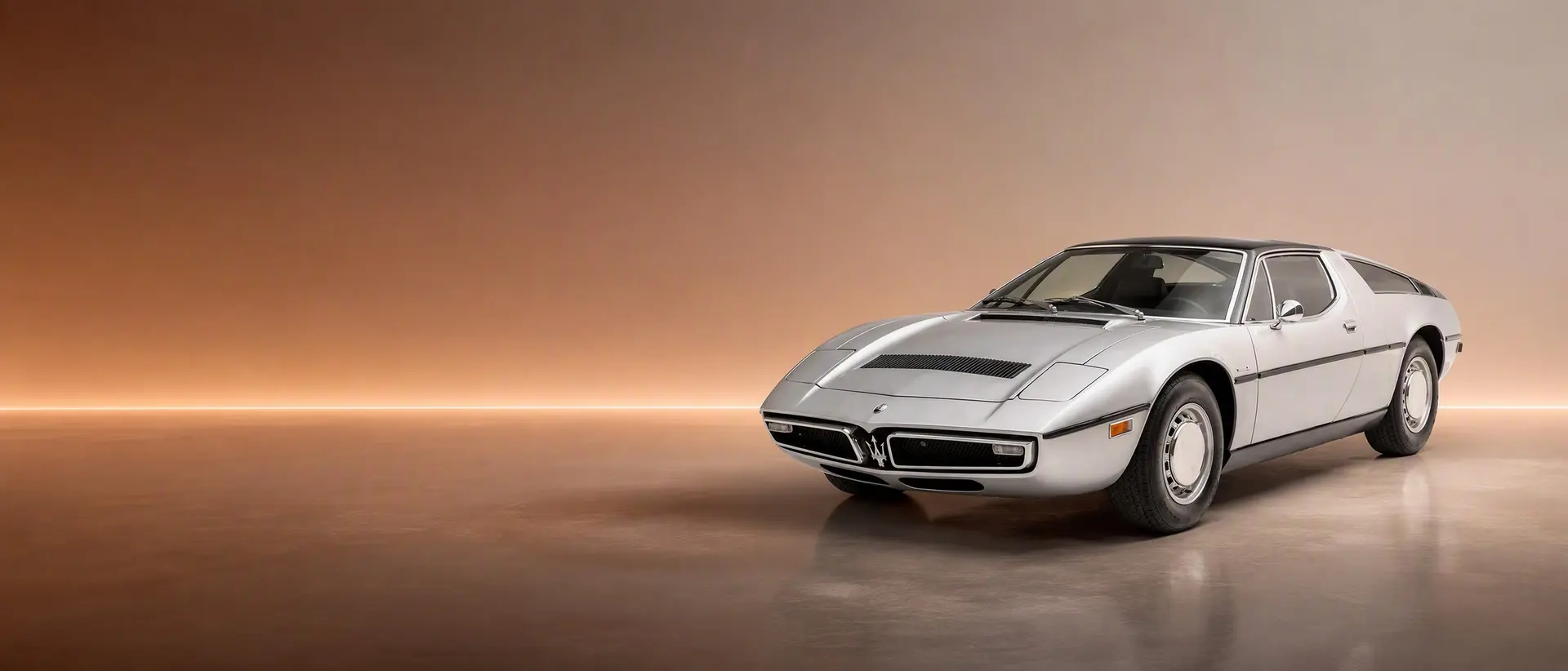
Package the mechanicals to the proportion: the Birdcage engine leaned over for a lower centre of gravity, the Ghibli V8 dry-sumped under Giugiaro’s bonnet, the Bora’s V8 set aft with the luggage kept.

The whole-car system

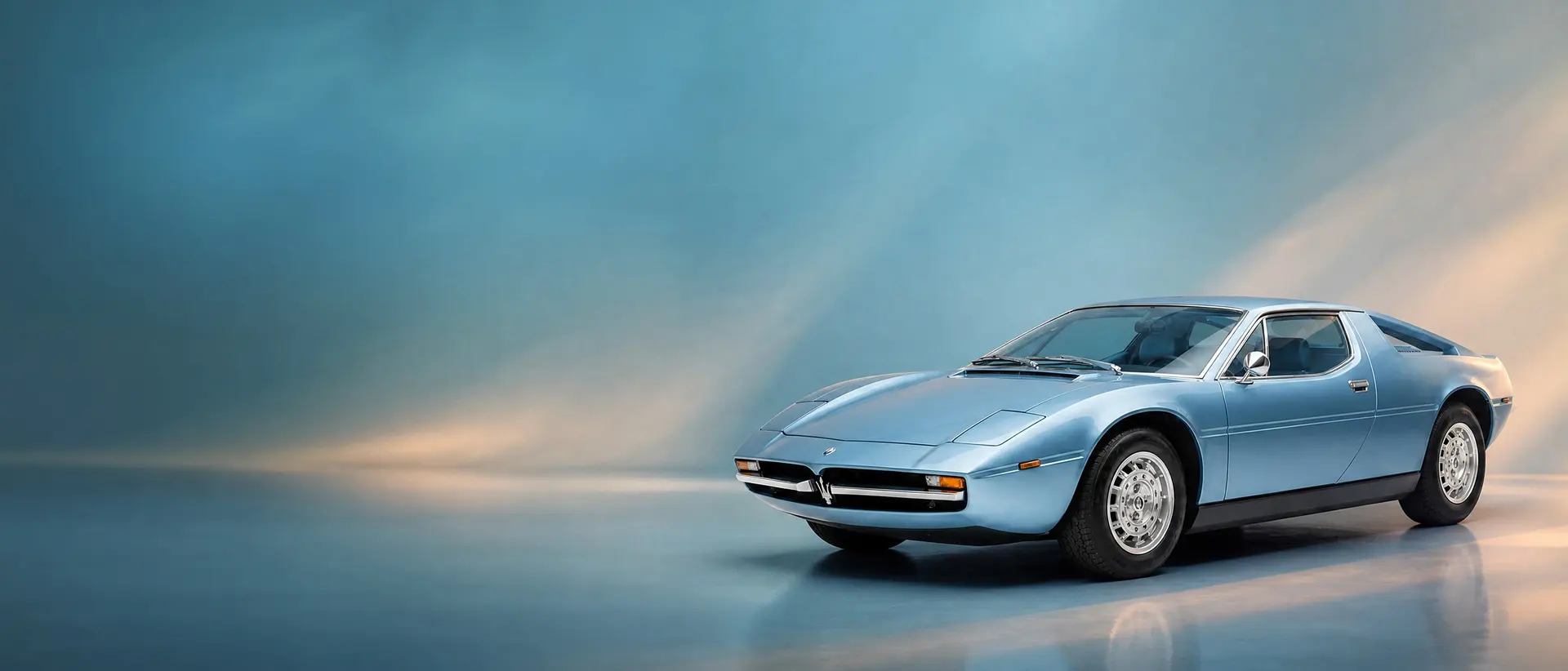
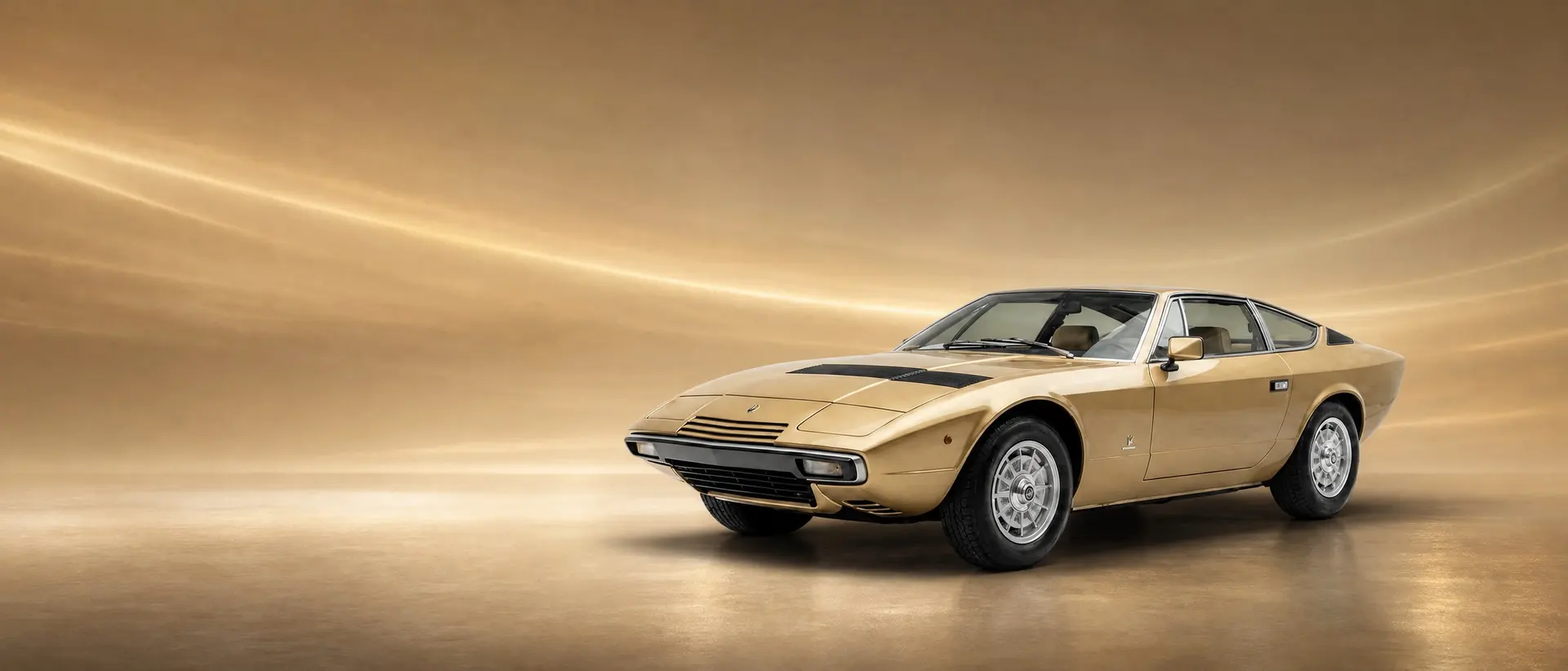
Citroën hydraulics on the Bora and Khamsin were not a brake circuit but an architecture — controls, accommodation and serviceability engineered as one.

The next material

At Lamborghini he initiated the Countach Evoluzione composite programme — carbon fibre applied to serious weight reduction, years before it was orthodoxy.

The archive

Prints from the drawer

Period photographs from the works, the Nürburgring, Modena and Turin — choose a print and it pushes the others aside.

The works: Alfieri, Orsi, Canestrini, Ugolini, 1958. Wikimedia Commons.

Beyond the register

The Birdcage, the V6, the carbon Countach

Maserati Tipo 60/61 Birdcage

The two-hundred-tube frame and the canted engine — competition structure at its most economical.

Citroën V6

The engine family developed under Citroën ownership; it powered the SM and returned home in the Merak.

Innocenti Lambretta

Centro Studi work in Milan — scooter development before the trident.

Lamborghini Countach Evoluzione

The composite Countach — his late-career argument that the next advantage was material.

The houses

From the shipyard to Sant’Agata

1948–1949

Cantiere Navale Riuniti

Genoa. Large two-stroke marine engines and steam turbines — thermodynamics at ship scale.

1949–1953

Innocenti

Milan, Centro Studi. Lambretta development and engine projects.

1953–1975

Maserati

Modena. From the 250F programme to chief engineer and technical director — racing and road development for twenty-two years.

1978–1987

Lamborghini

Sant’Agata. Later technical leadership through to the Countach Evoluzione composite programme.

In his words

“Maserati meant competition.”

Giulio Alfieri · La Manovella, 1998