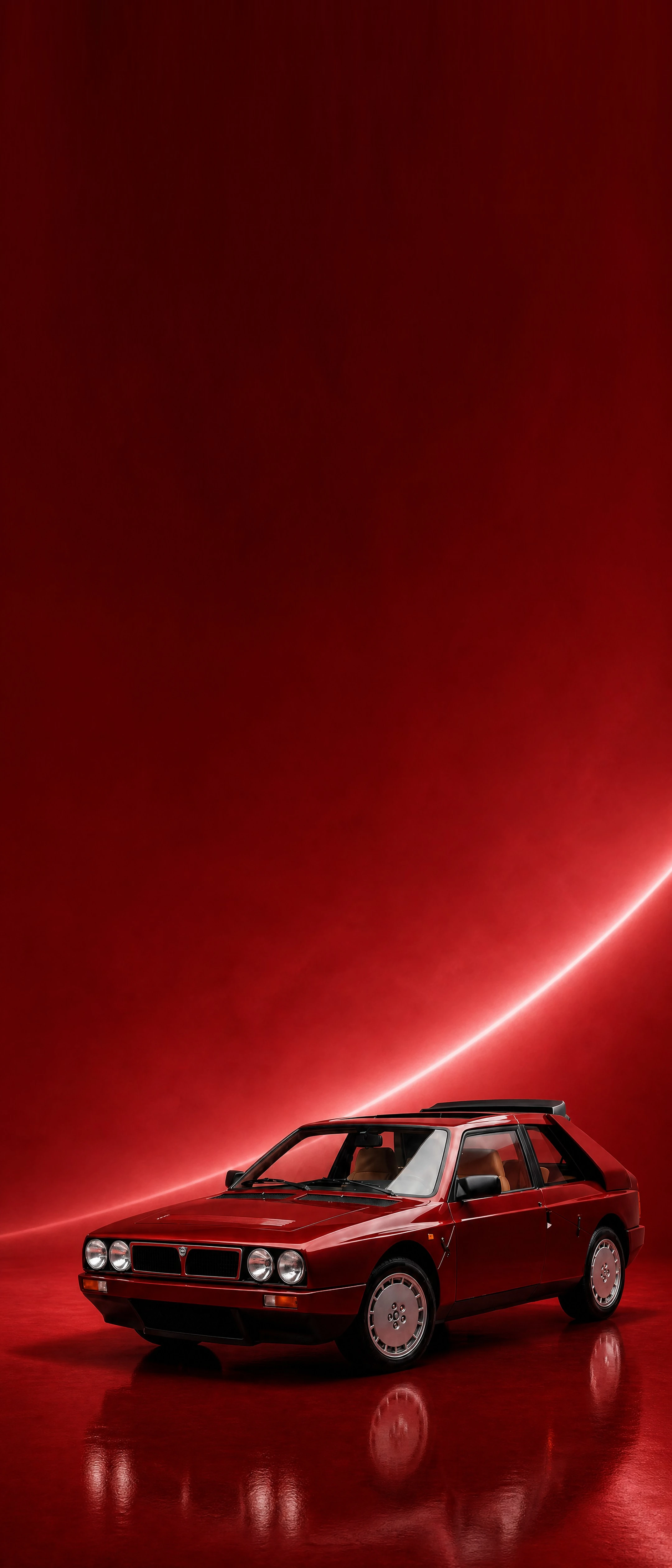
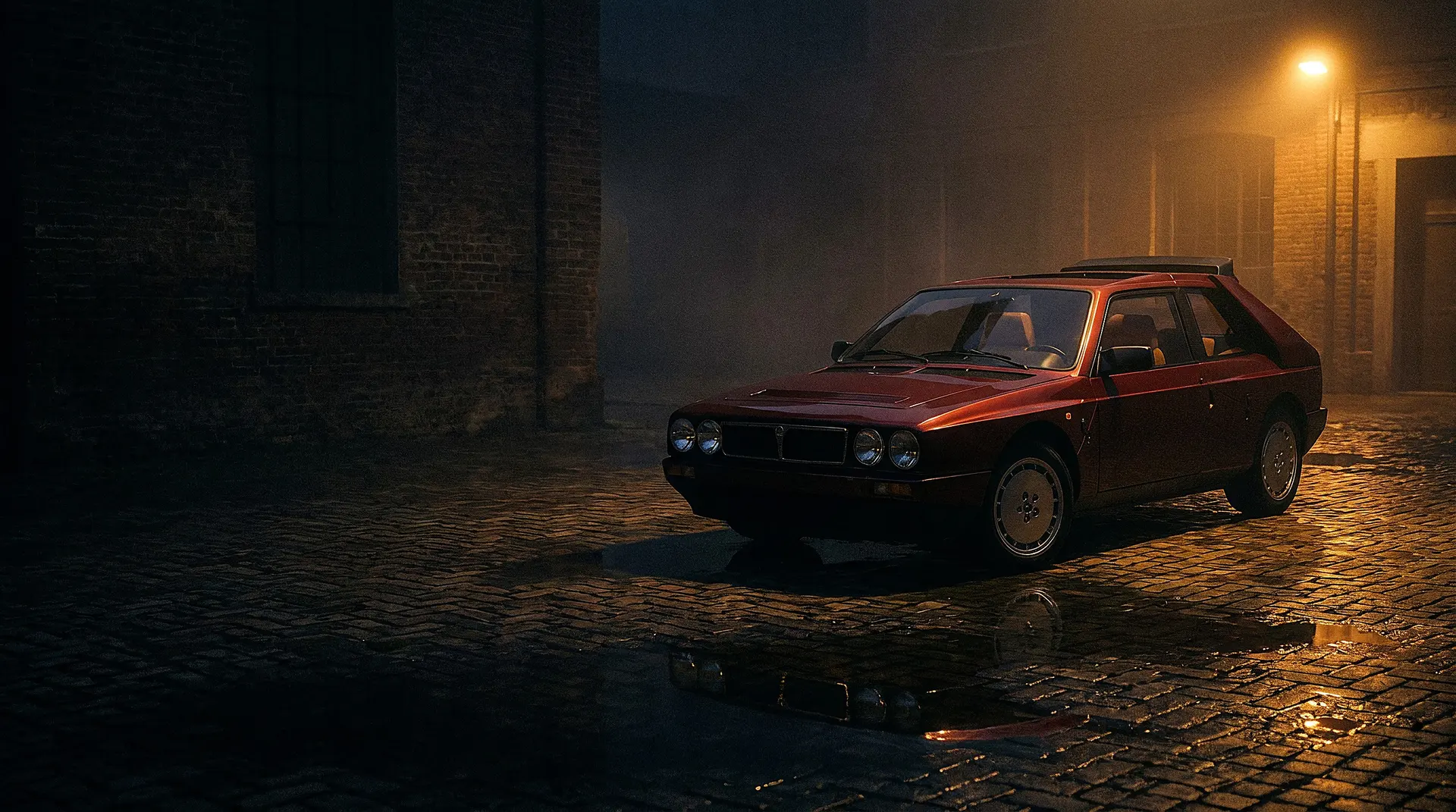
Heritage · Lancia Delta S4 Stradale
“Homologation and racing vehicles that remain legendary to this day.”
The lineage
Three cars, one obligation
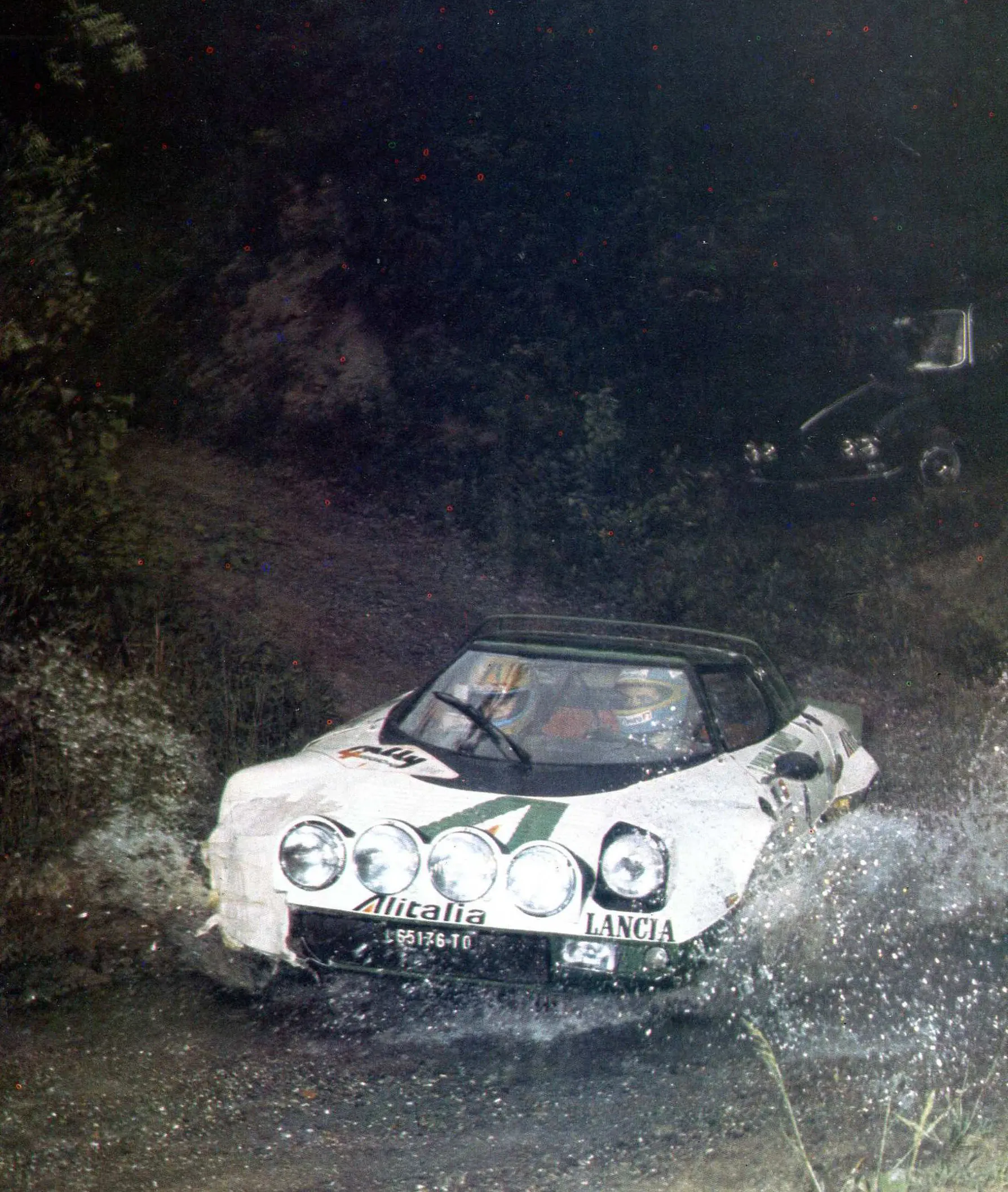
Lancia’s rally house style was always the same trick played harder: build the racer first, then build just enough road cars to make it legal. The purpose-designed Stratos defined the three-title run of 1974–76. The 037 repeated the move in 1982 — supercharged, mid-engined, rear-driven — and in 1983 beat Audi’s four-wheel-drive Quattro to the makes’ title by two points, 118 to 116. No rear-wheel-drive car has won it since.
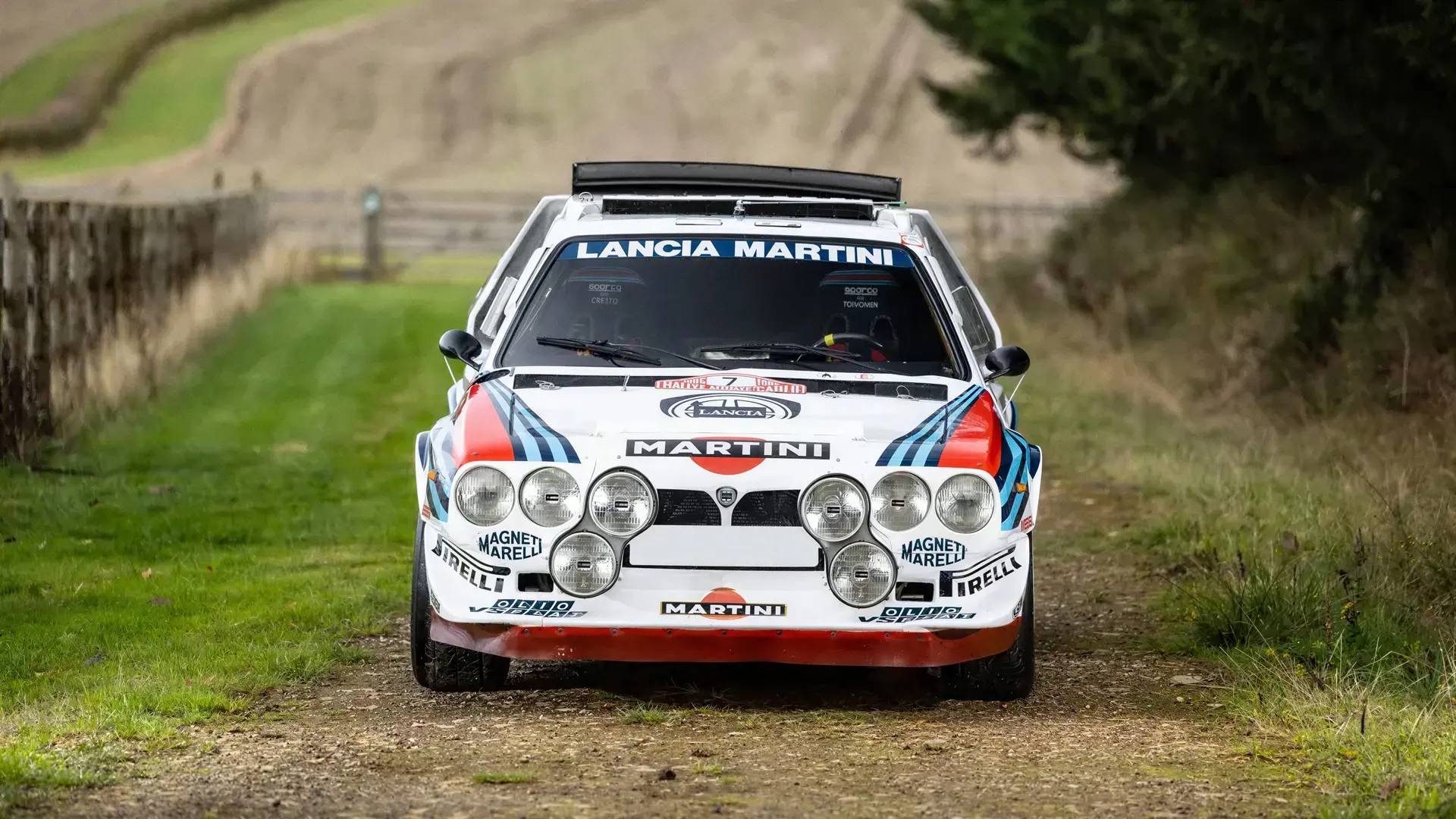
The victory carried its own expiry date. By 1984 the four-wheel-drive opposition had matured and the 037 was no longer competitive at the top level. Abarth’s answer had to out-tech the technology that beat it — and it had to exist, two hundred times over, with number plates.
The hands
Three men, one deadline
The S4 carries the fingerprints of the small Abarth squad that had already built Lancia one rally dynasty — and was given thirteen months to build another.
Claudio Lombardi
Technical director · Lancia Racing
Lancia and Abarth engine chief from 1976 to 1983, then Lancia Racing’s technical director from 1984 to 1989, he personally followed the twincharged 1.75-litre engine — the Italian press still calls him the father of the S4. He later headed Ferrari’s Formula 1 engine department.
Sergio Limone
Project engineer · Abarth
The 037’s project leader also worked on the S4 — Lombardi names him, with Roberto Roberti, among the car’s chassis engineers. Abarth’s Group B line, first car to last.
Cesare Fiorio
Team principal · Lancia Racing
Founder of the HF racing squad in 1963 and Lancia Racing’s team principal from 1965 to 1989, he led the house’s rally and endurance campaigns from the HF era through 037 and S4 — then became Ferrari’s Formula 1 sporting director.
1986
2 May 1986
Tour de Corse
Toivonen and Cresto are killed on the eighteenth special stage. The category’s fate is sealed.
The engineering
Two chargers, no compromise
The S4’s answer to turbo lag was to refuse it. Abarth’s type 233 ATR 18S displaces 1'759 cc and carries both a Volumex R18 supercharger and a KKK K26 turbocharger: the supercharger fills the low revs where a turbo has nothing to give, the turbo takes over past 4'000 rpm, and twin intercoolers keep the whole arrangement alive. Rallying called it twincharging a decade before production cars borrowed the idea back.
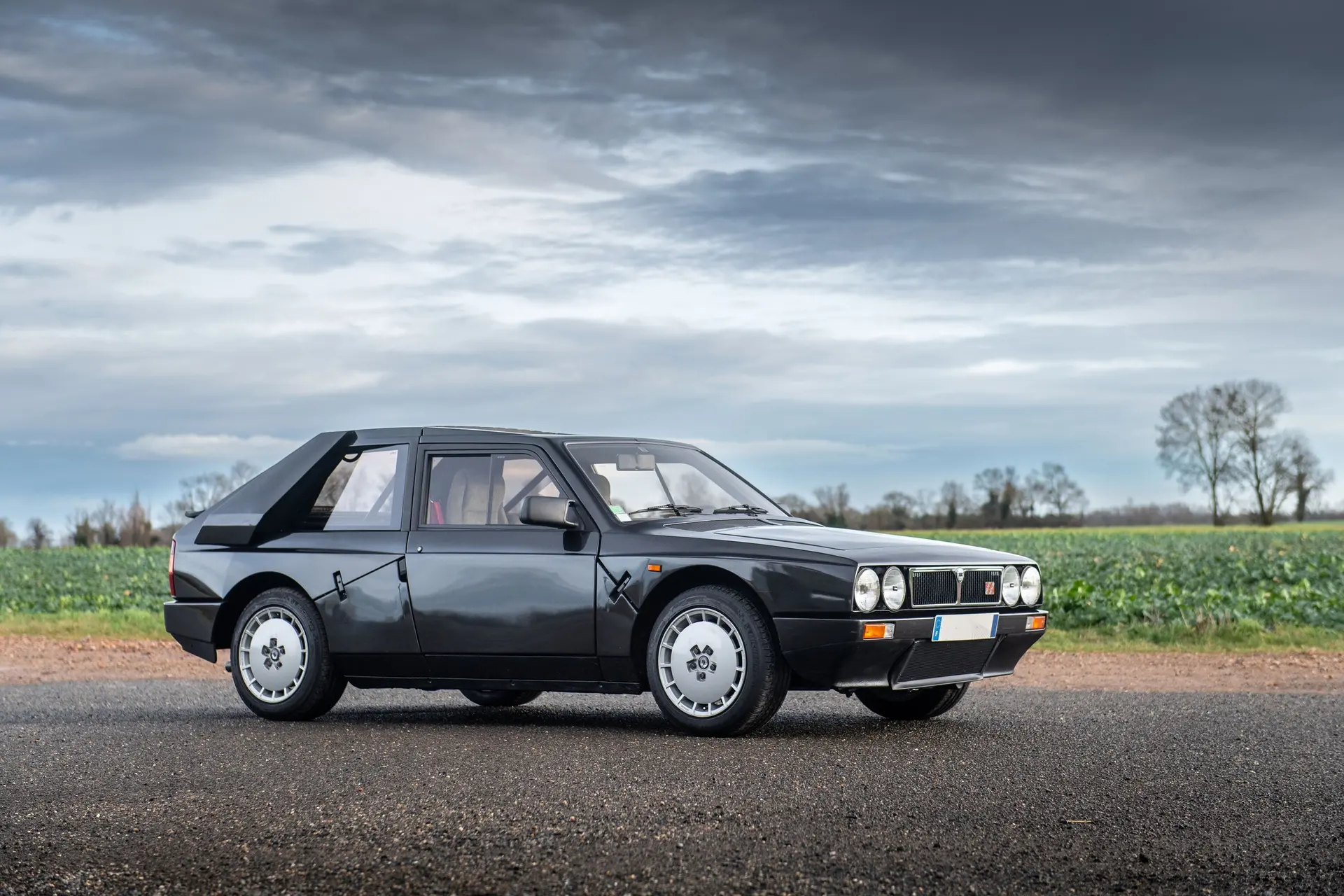
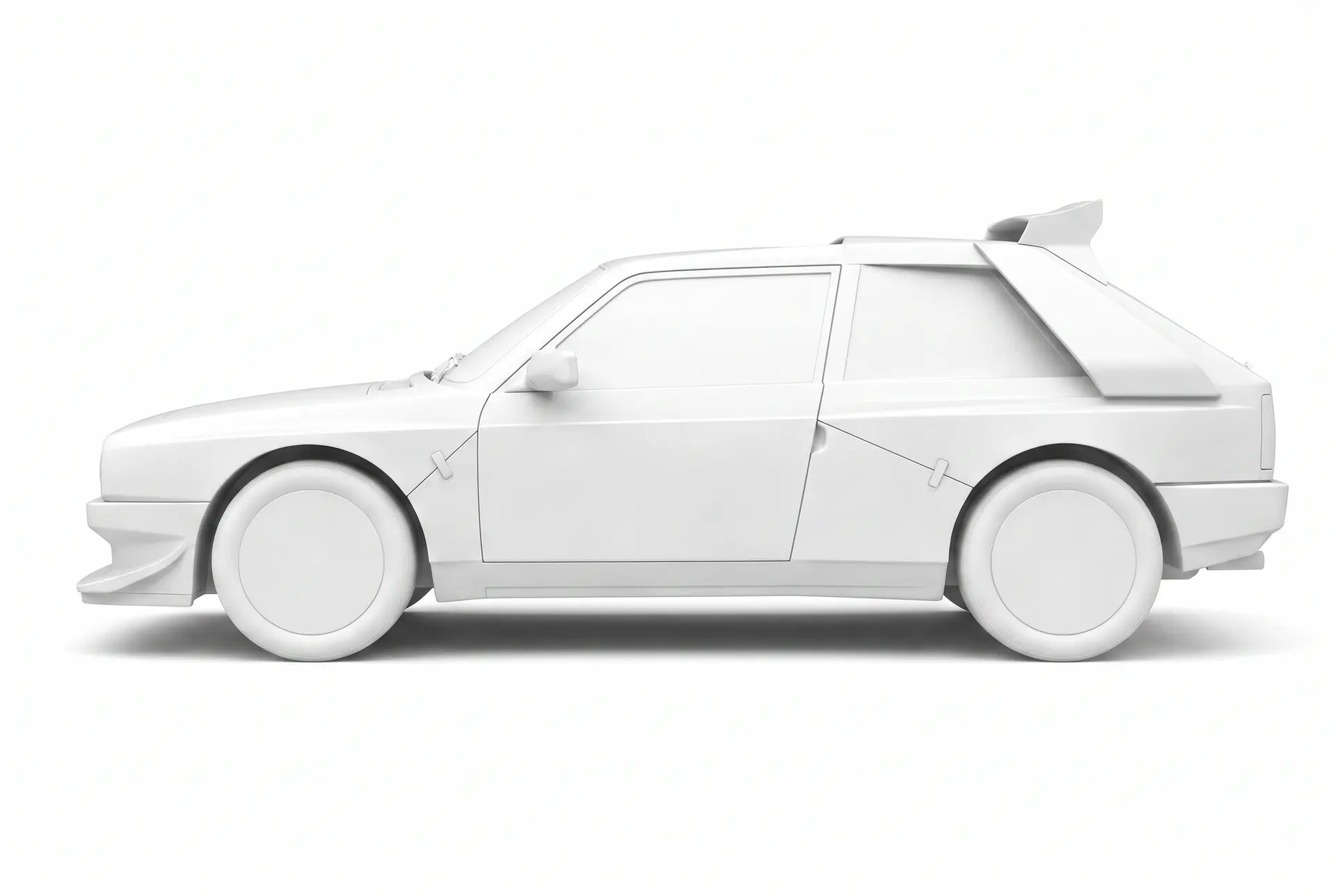
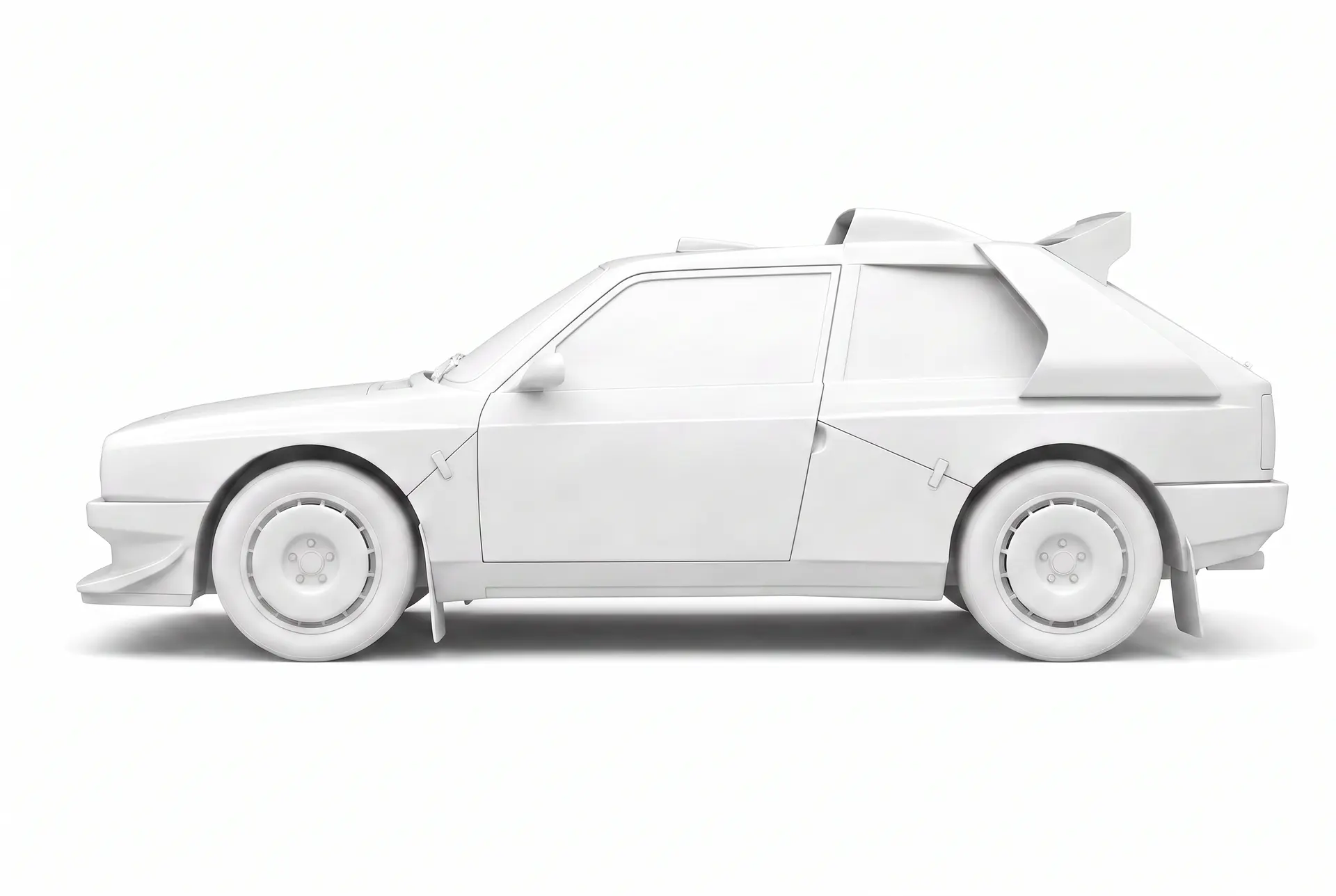
Underneath: permanent all-wheel drive with a centre differential, a mid-rear longitudinal engine, and a body that only pretends to be a Delta hatchback. In road trim the compression sits at 7.6:1 and the output at a deliberately usable 250 PS; the works Corsa ran the same architecture to 473 bhp at roughly 950 kg.
2019
12 April 2019
The market resets
A ~2'200 km Stradale makes €1.04M at RM Sotheby’s Essen — a reported world record for the model.
The season
Thirteen months of Group B
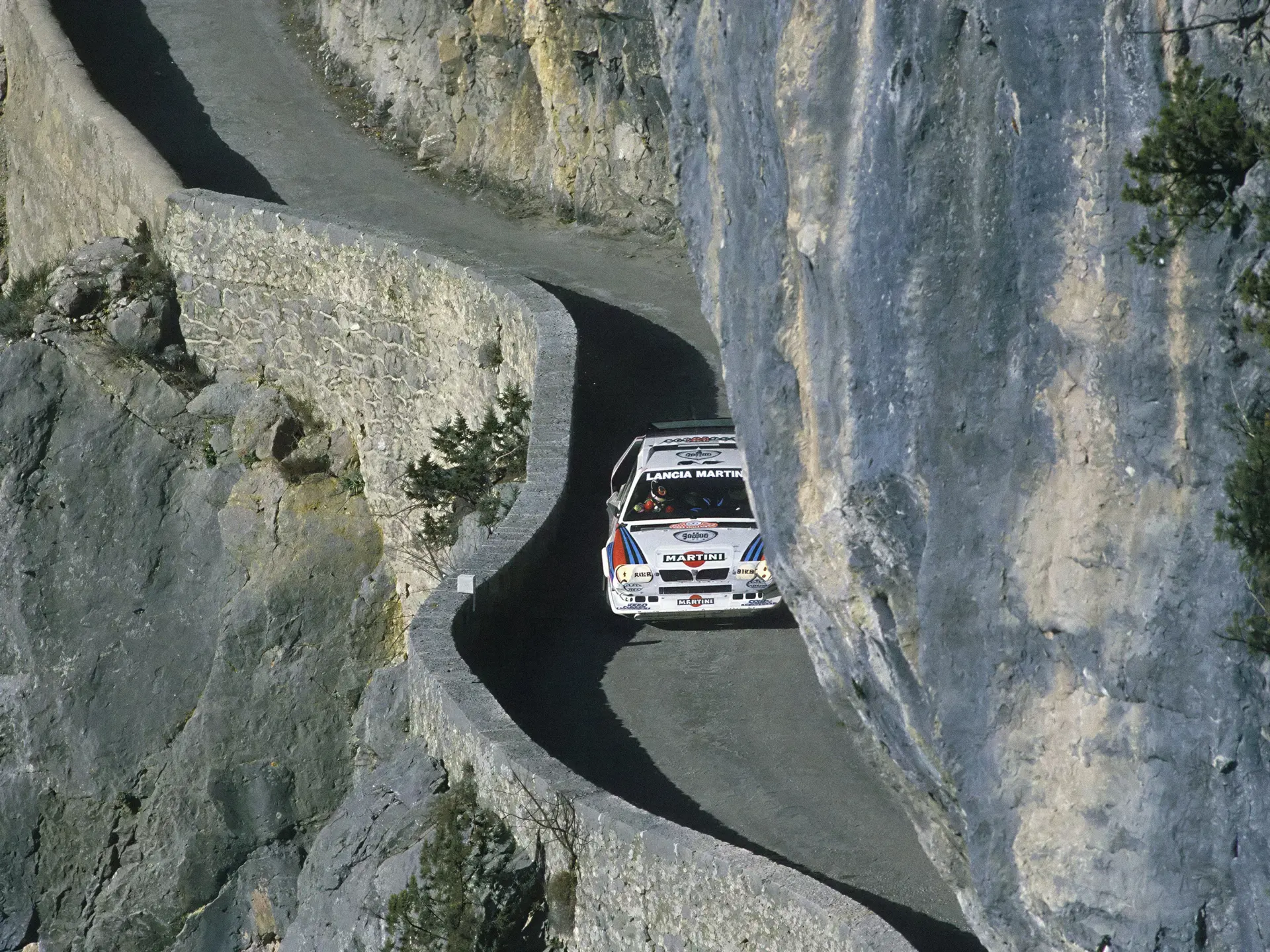
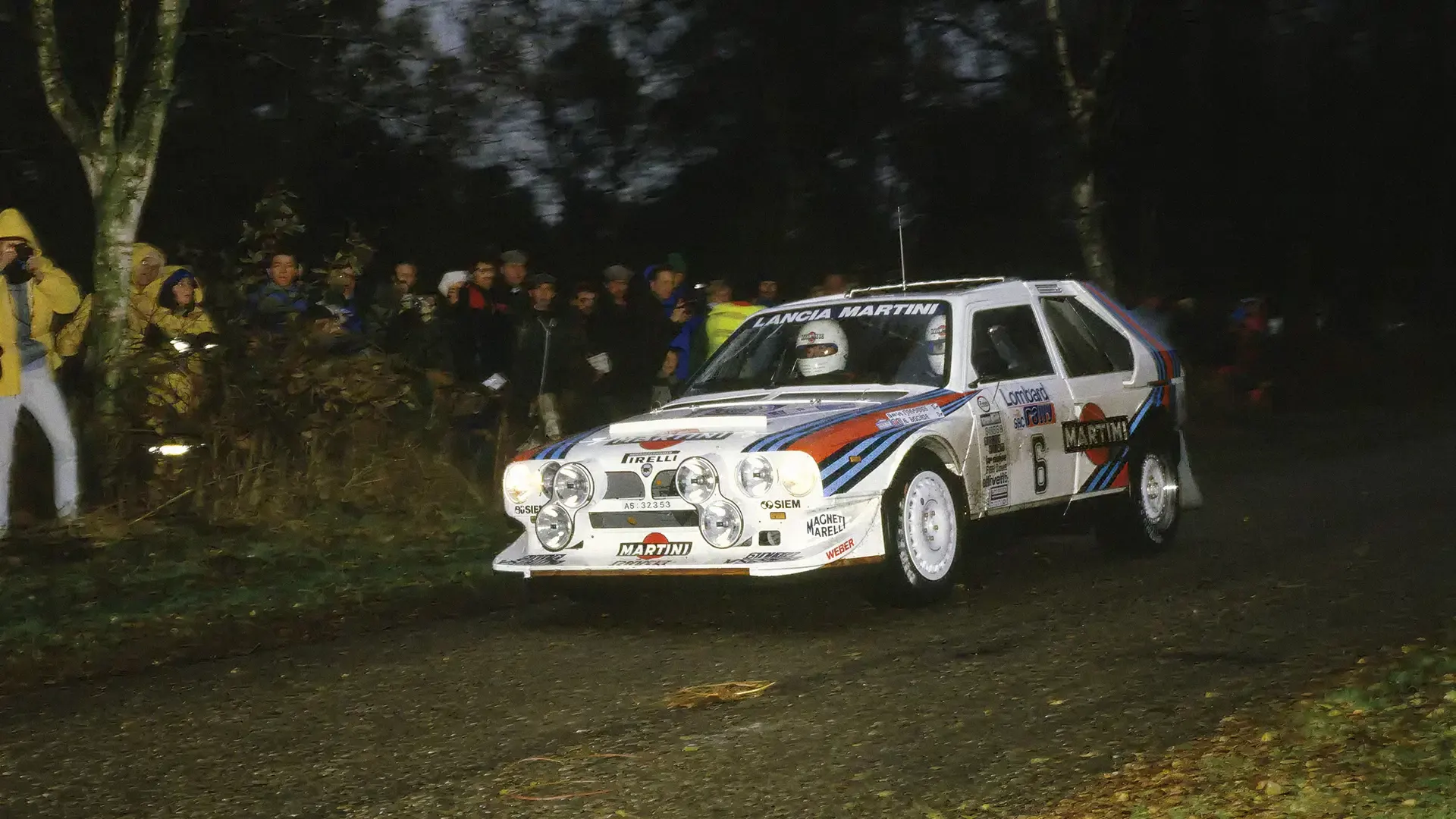
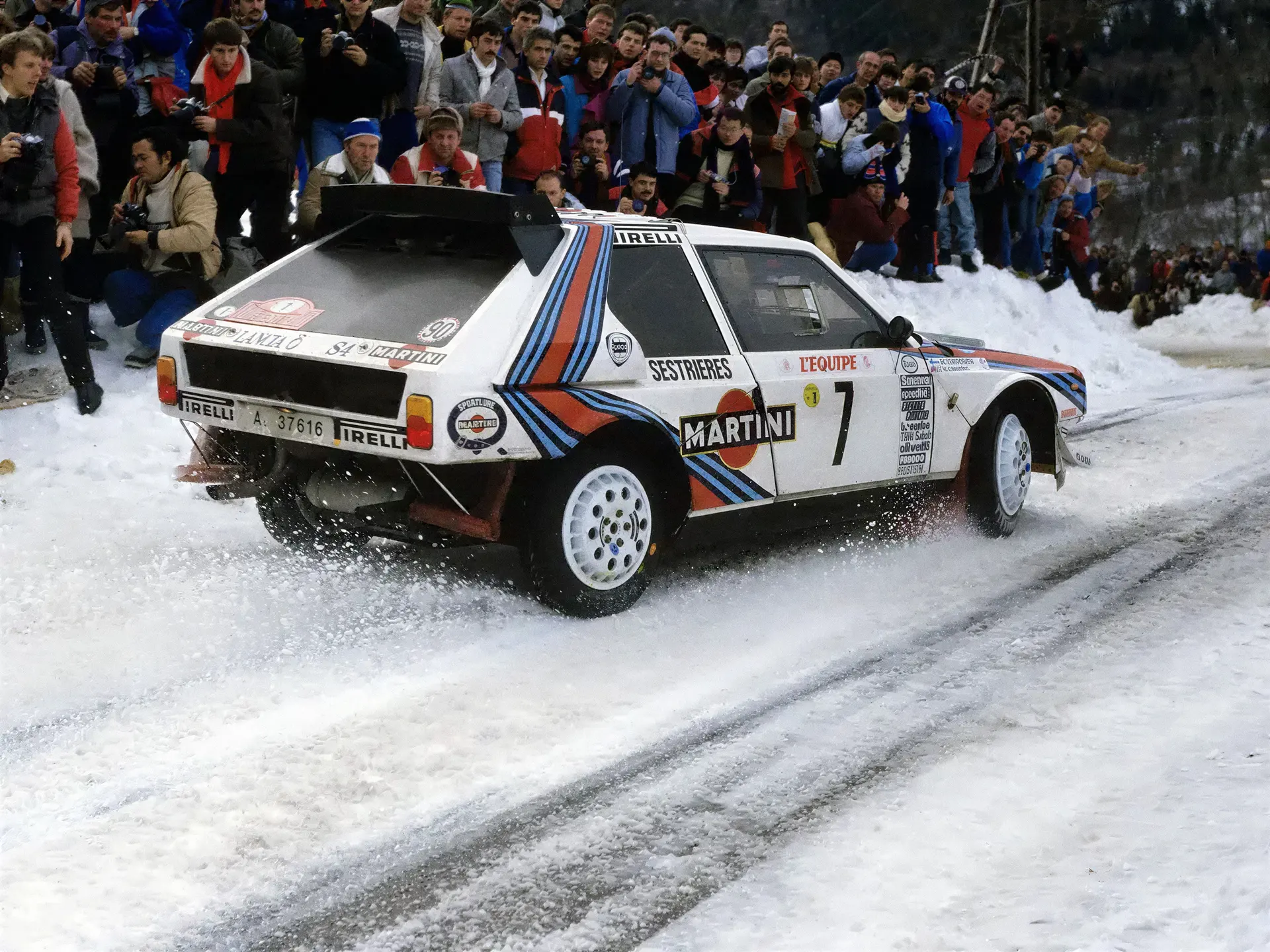
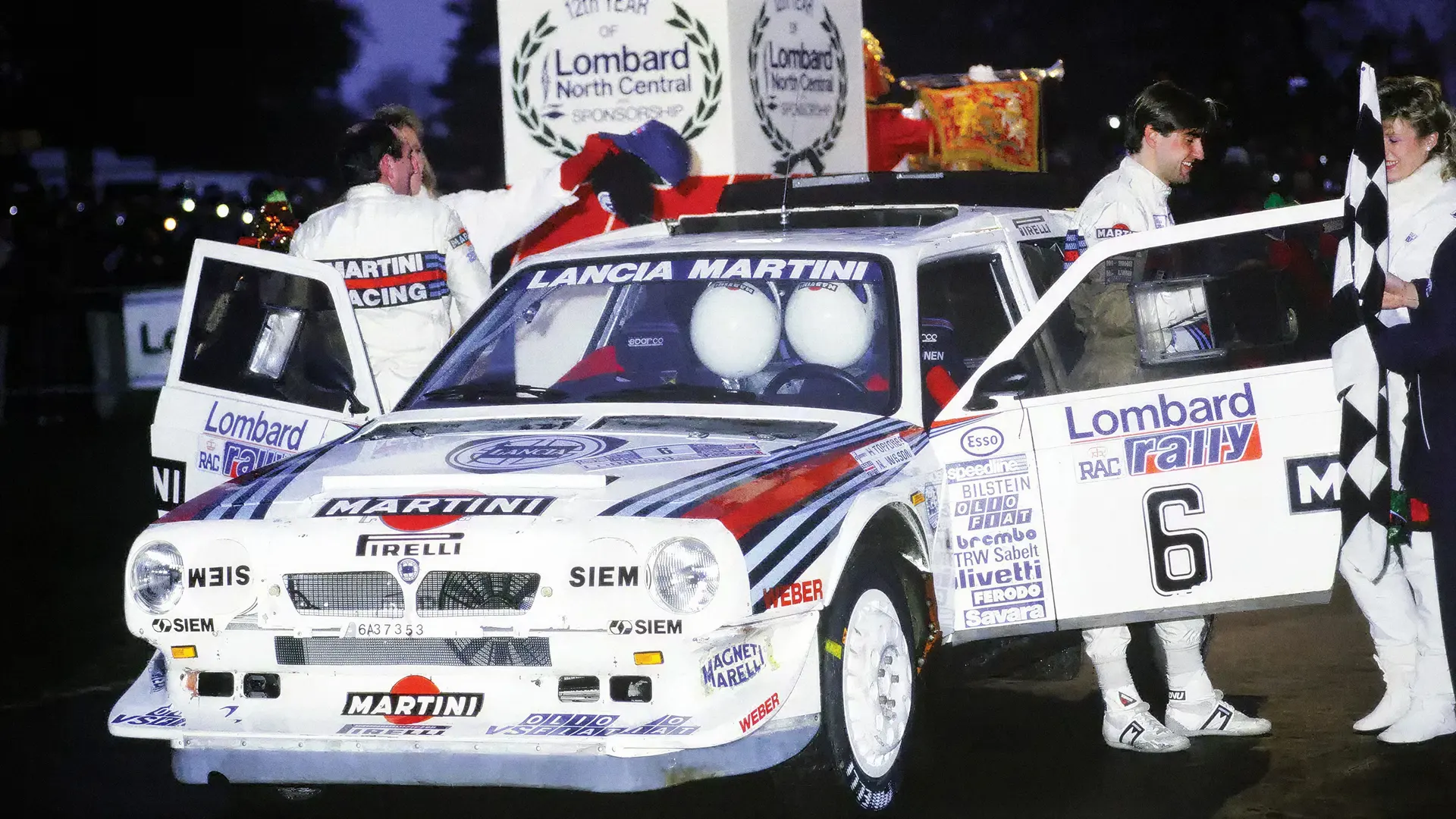
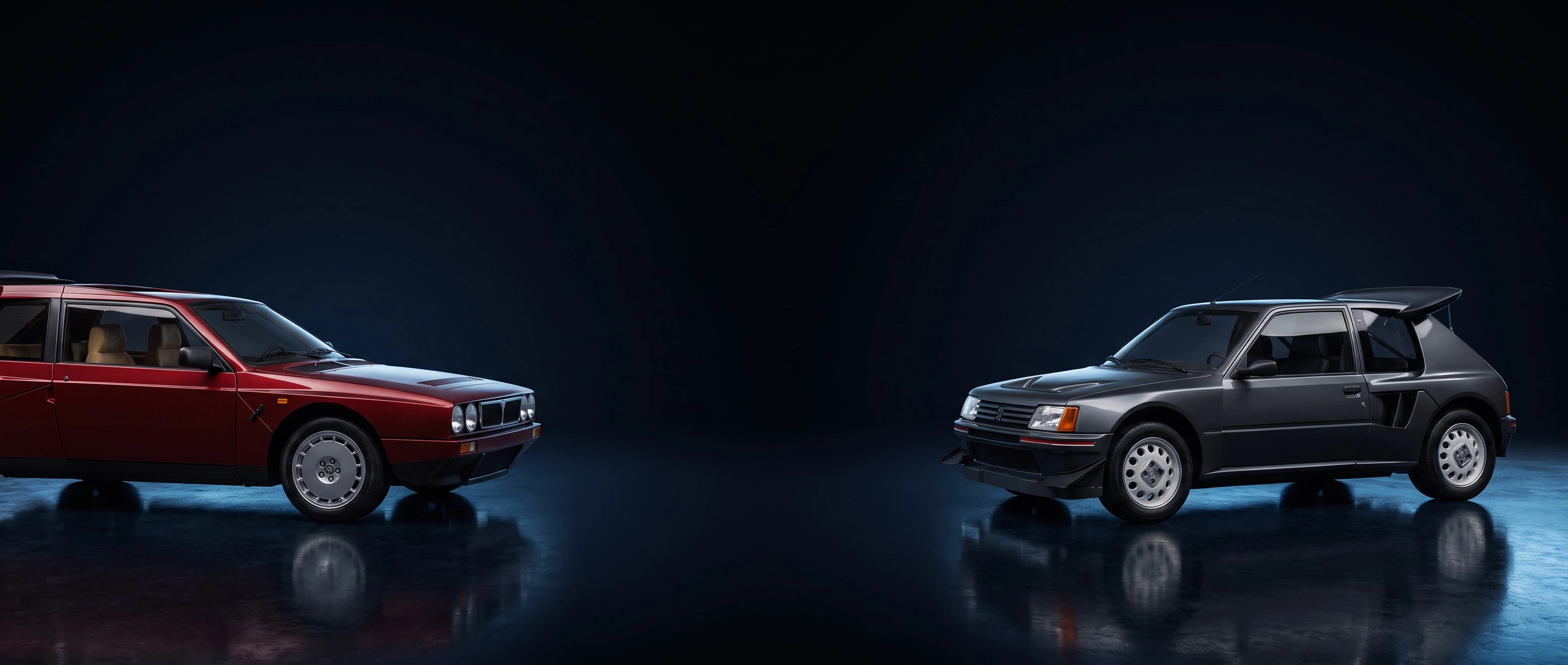
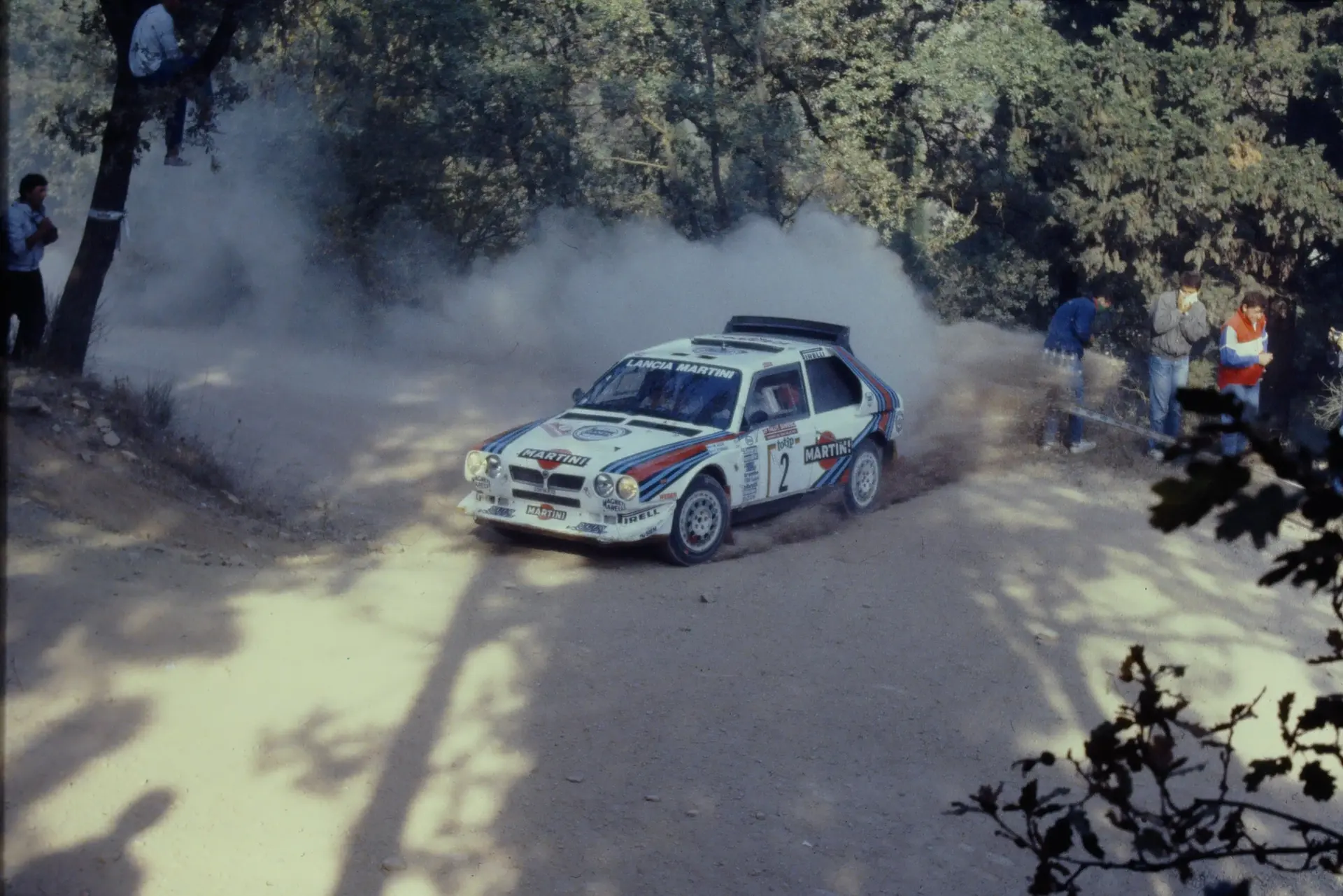
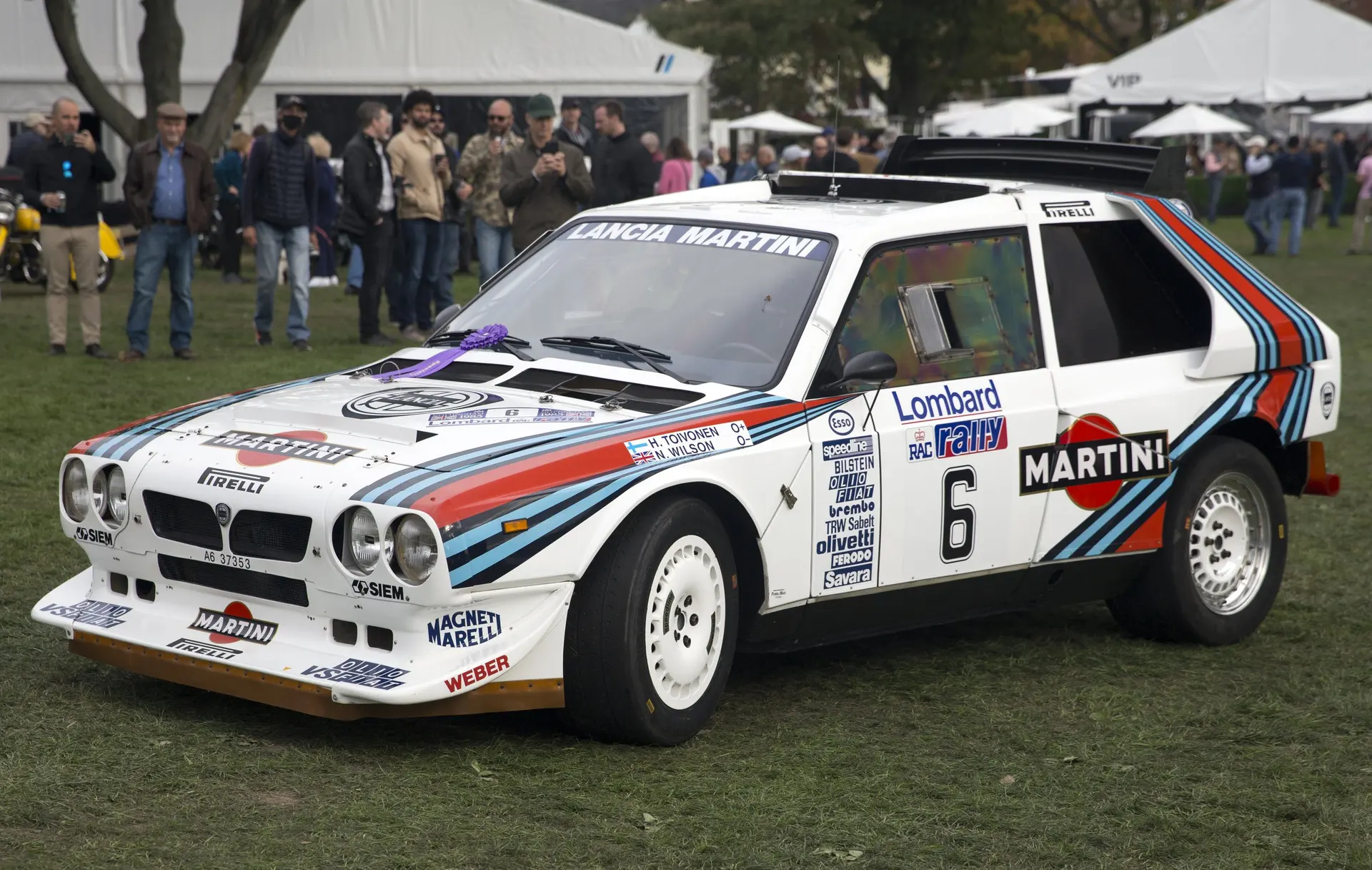
The S4 won the first world championship rally it ever entered — the 1985 RAC, Henri Toivonen and Neil Wilson ahead of Markku Alén and Ilkka Kivimäki: a debut one-two. For thirteen months the S4 and Peugeot’s 205 T16 E2 traded stage wins at the outer edge of what the category allowed, and Peugeot took both manufacturers’ titles of the era.
On 2 May 1986 Toivonen and co-driver Sergio Cresto were killed on the eighteenth stage of the Tour de Corse. Weeks after a spectator-fatal crash in Portugal, it was the breaking point: Group B was barred from the 1987 championship and the planned Group S was scrapped outright. The S4 never raced a works season again.
On the record
Milestones, on a line
The moments that set the Delta S4 Stradale's standing. Use the arrows, and hover a point to read what happened.