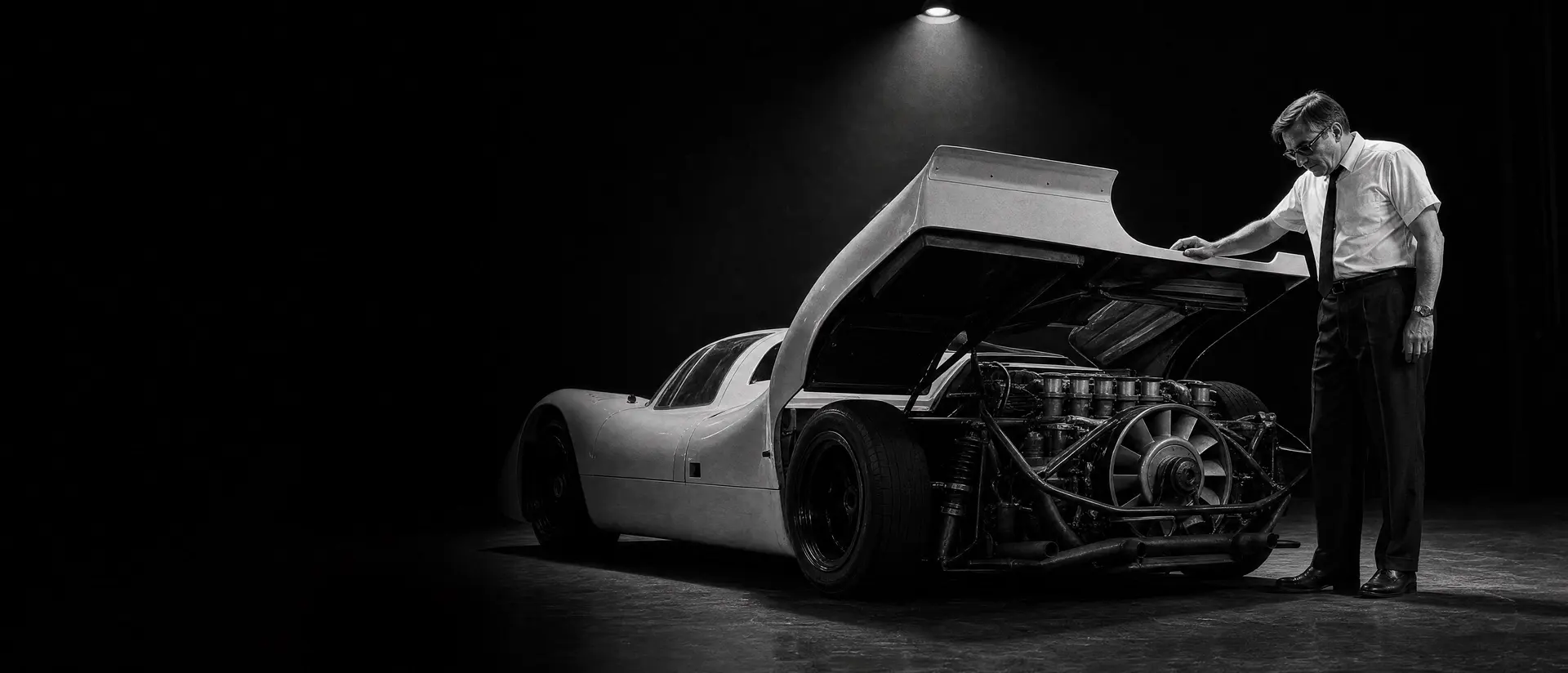
Hans Mezger in shirt and tie at the open engine bay of a Porsche 917 under a single spotlightAI-generated

People · Engineer · 1929–2020

Hans

the engine architect

Born
Ottmarsheim, 1929
Died
2020
House
Porsche, 1956–1993/94
In the register
Three files

The engine room

Mezger joined Porsche’s calculation department on 1 October 1956 and never worked anywhere else. From that desk came the air-cooled 901/911 flat-six, the 917 and its flat-twelve, and the TAG-Porsche Formula One turbo — engineering first proven in competition, then handed to the road.

His signature never sat on a body panel. It sat in cam profiles he calculated with his own formula, in cooling fins turned toward the airstream, in the symmetry of horizontally opposed banks. The three files below hold the cars in our register that carry his engines — which is to say, the ones you identify with your eyes closed.

Two banks, one crankshaft, cooled by air

The register

Three files, one engine note

The drawing board

The cams, the fins, the boost

The cam formula

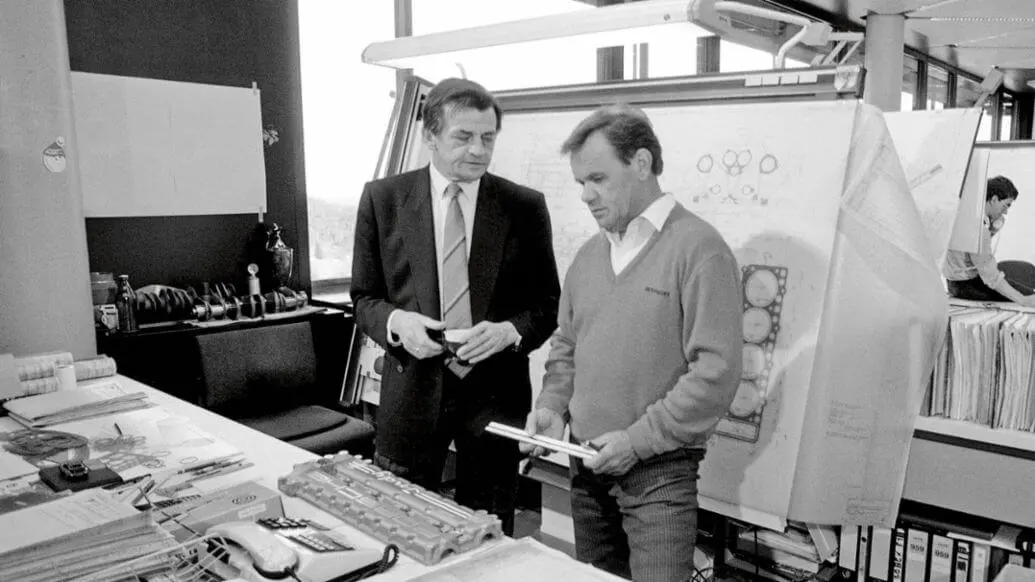
After working on the Type 547 four-cam engine he wrote his own calculation method for cam profiles — mathematics first, hardware after.

The air-cooled six

The 901/911 flat-six: horizontally opposed, cooled by air. Every 911 for three decades carried its architecture.

The race department

From 1965 he led Porsche’s race-car-design department — the room where the competition programmes were drawn.

The flat-twelve

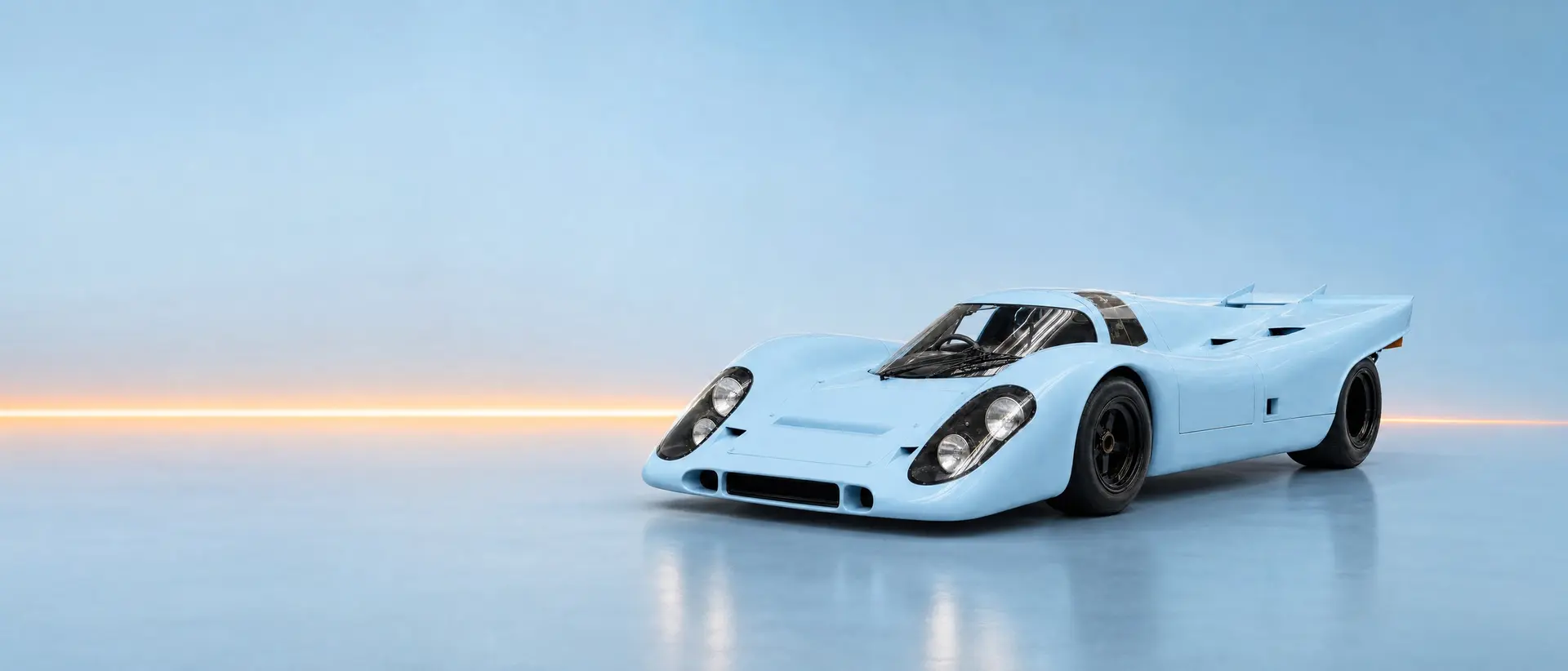
For the 917 he was given the whole car and answered with the air-cooled twelve — Le Mans and two world championships followed.

The turbocharged 911

What the 917/10 and 917/30 learned in Can-Am he helped carry into the 1974 911 Turbo — race boost made road manners.

The TAG turbo

Design and project lead on the 1.5-litre, 80-degree TAG-Porsche V6: twenty-five Grand Prix wins and the constructors’ titles of 1984 and 1985.

Drawn · H. Mezger, Zuffenhausen

Dept · Calculation, then race design

In service · 1956–1993/94

The archive

Prints from the works

Press photographs from six decades at Porsche — choose a print and it pushes the others aside.

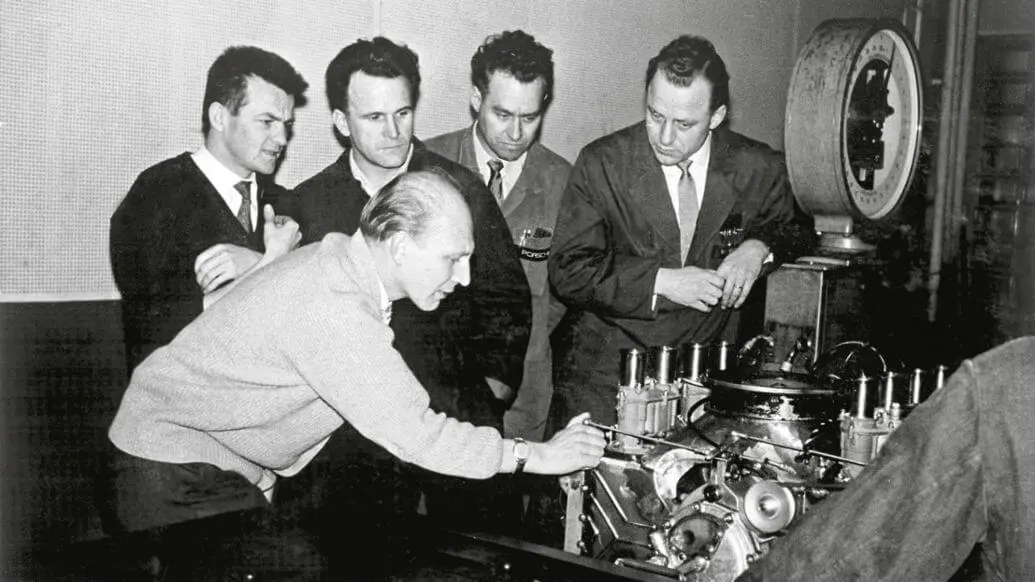
The first Type 753 Formula One engine, 1960. Porsche AG.

Beyond the register

From the Type 753 to the Type 3512

'60–'65

Type 753 & Porsche 804

The eight-cylinder Formula One engine and the car it raced in.

Porsche 901/911 engine

The air-cooled flat-six, drawn for the car that never left production.

Ollon-Villars Spyder

A hillclimb one-off in the years the race department formed.

'66–'70

Porsche 910

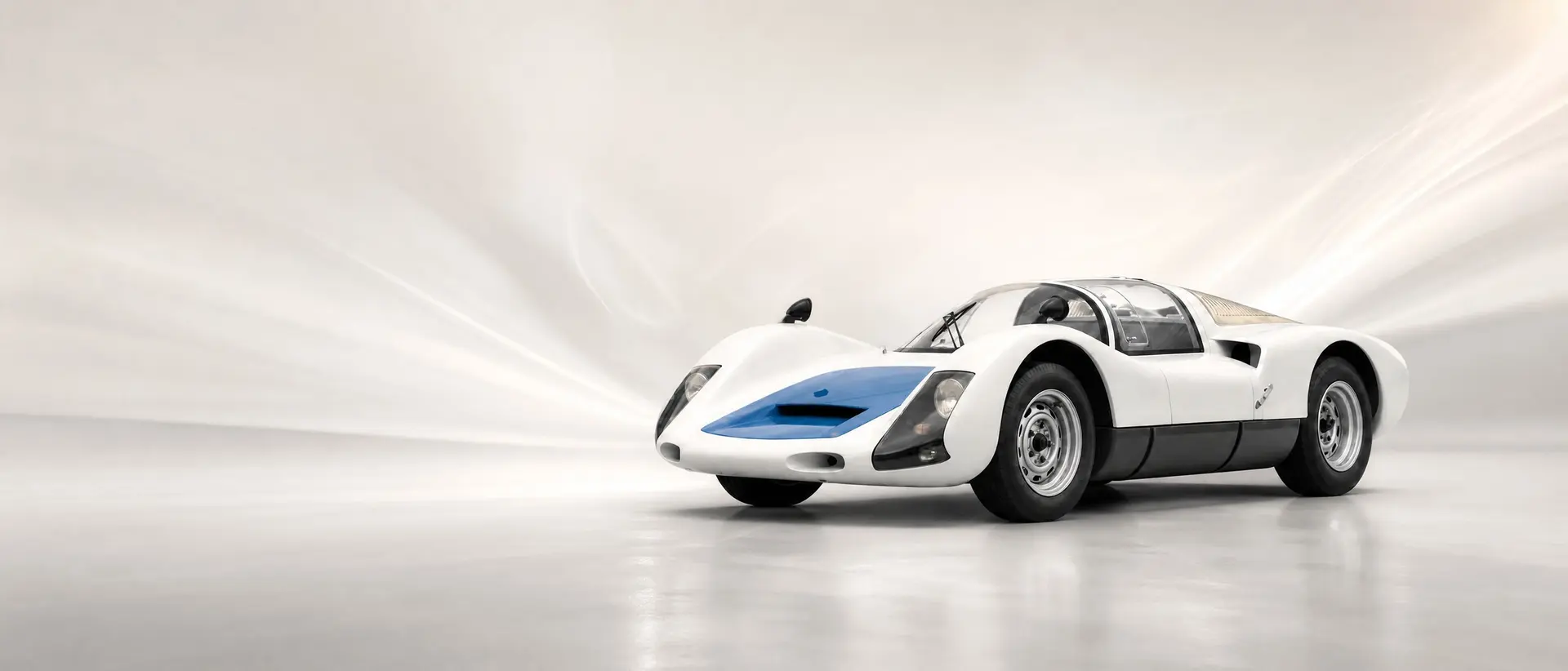
The 906’s successor on the hills and in the championship.

Porsche 907 / 908

The long-distance prototypes that led the line to the 917.

Porsche 914 engine

A two-litre four-cylinder for the mid-engined volume car.

'71–'80

917/10 & 917/30

The Can-Am turbocars — the boost programme that changed the road 911.

Porsche 935 / 936

Six-cylinder turbo race engines for the silhouette and sports-car eras.

Harley-Davidson four

A four-cylinder engine drawn for Milwaukee, not Zuffenhausen.

'81–'90

Group C engine, 956/962

The power unit behind Porsche’s longest-running prototype dynasty.

TAG-Porsche V6

The Formula One turbo built to McLaren’s order and Mezger’s drawings.

Type 3512

A twelve-cylinder Formula One engine to close the record.

The house

Porsche

One employer for an entire working life. Hired into the calculation department in 1956, leading race-car design from 1965, retired in the mid-nineties — the Porsche records themselves disagree on whether 1993 or 1994 closed the file. Nearly forty years at one address, and an engine note that outlived the tenure.

Calculation department to race design, 1956–1993/94

In his words

“At Le Mans in 1969 we were a whole lot faster than the competition with the 917.”

Hans Mezger · on the 917’s first Le Mans