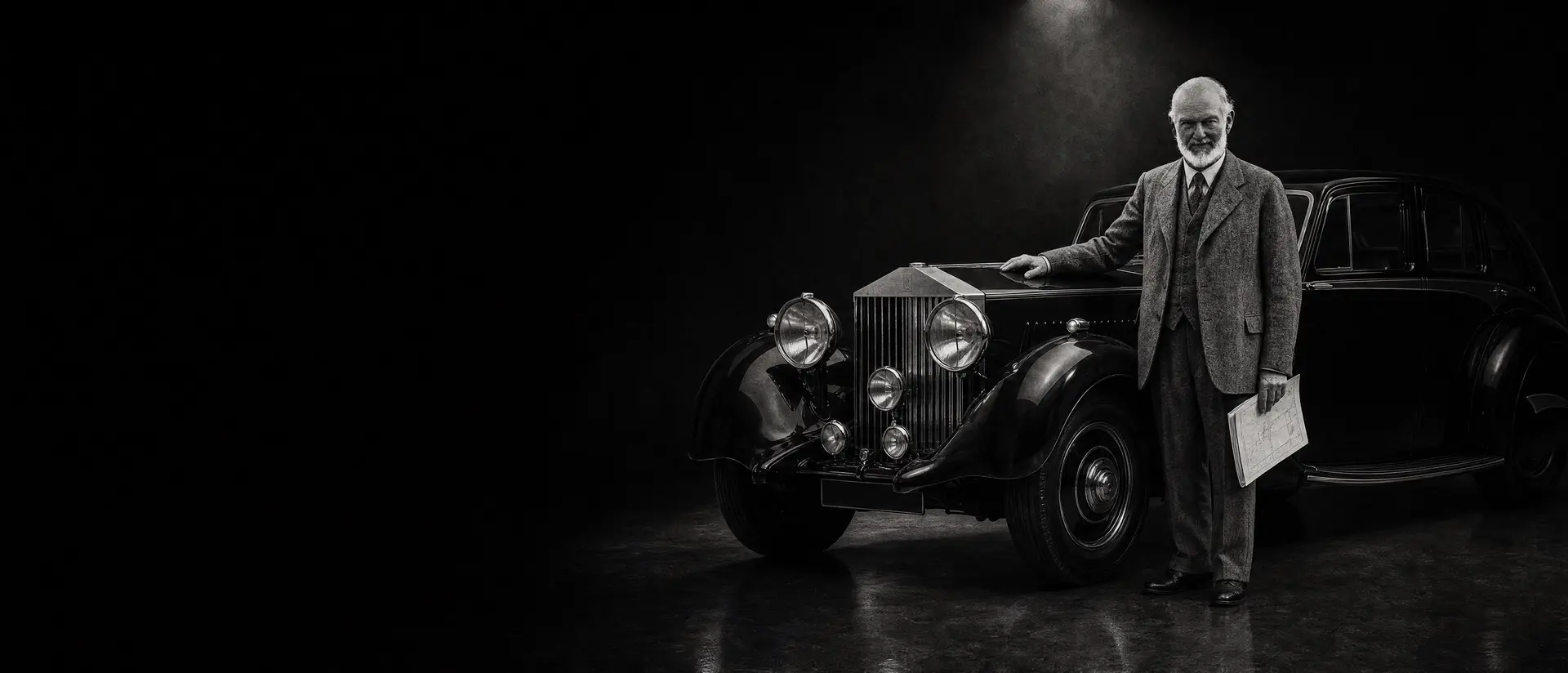
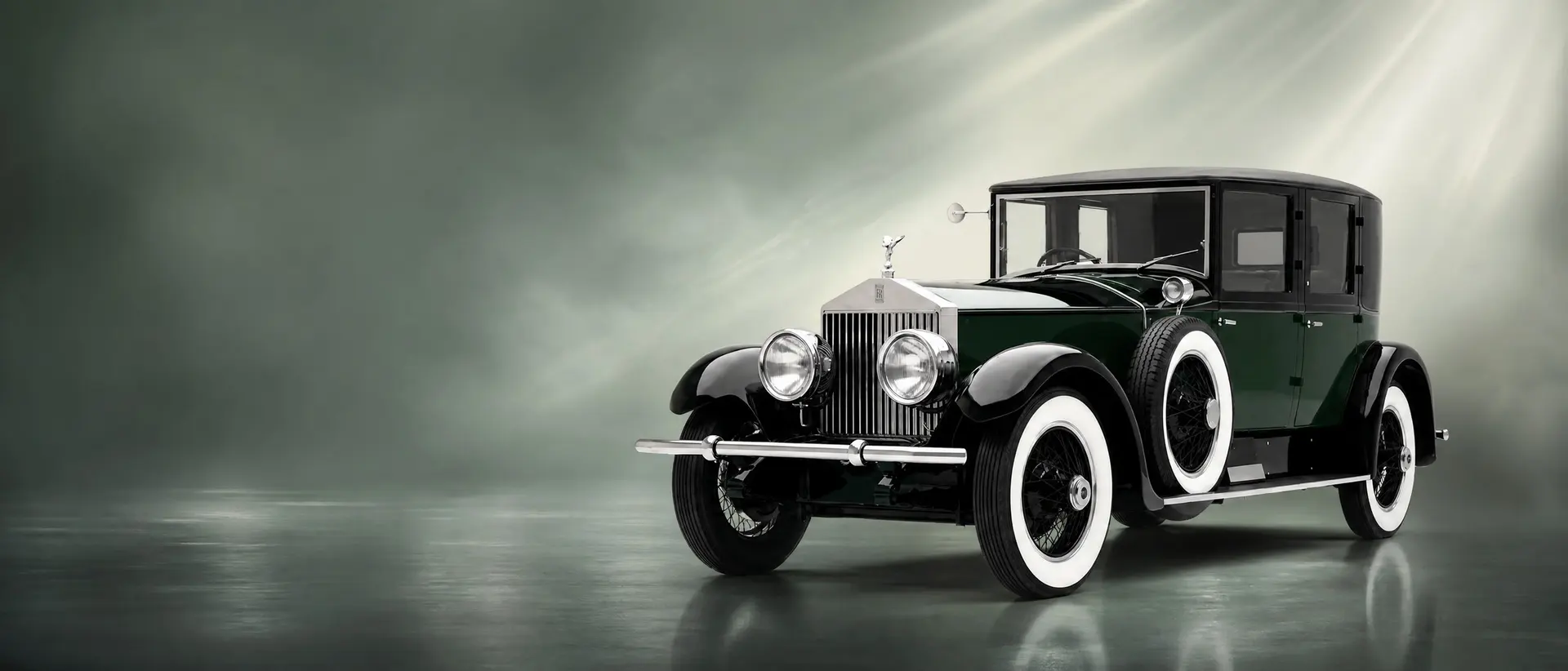
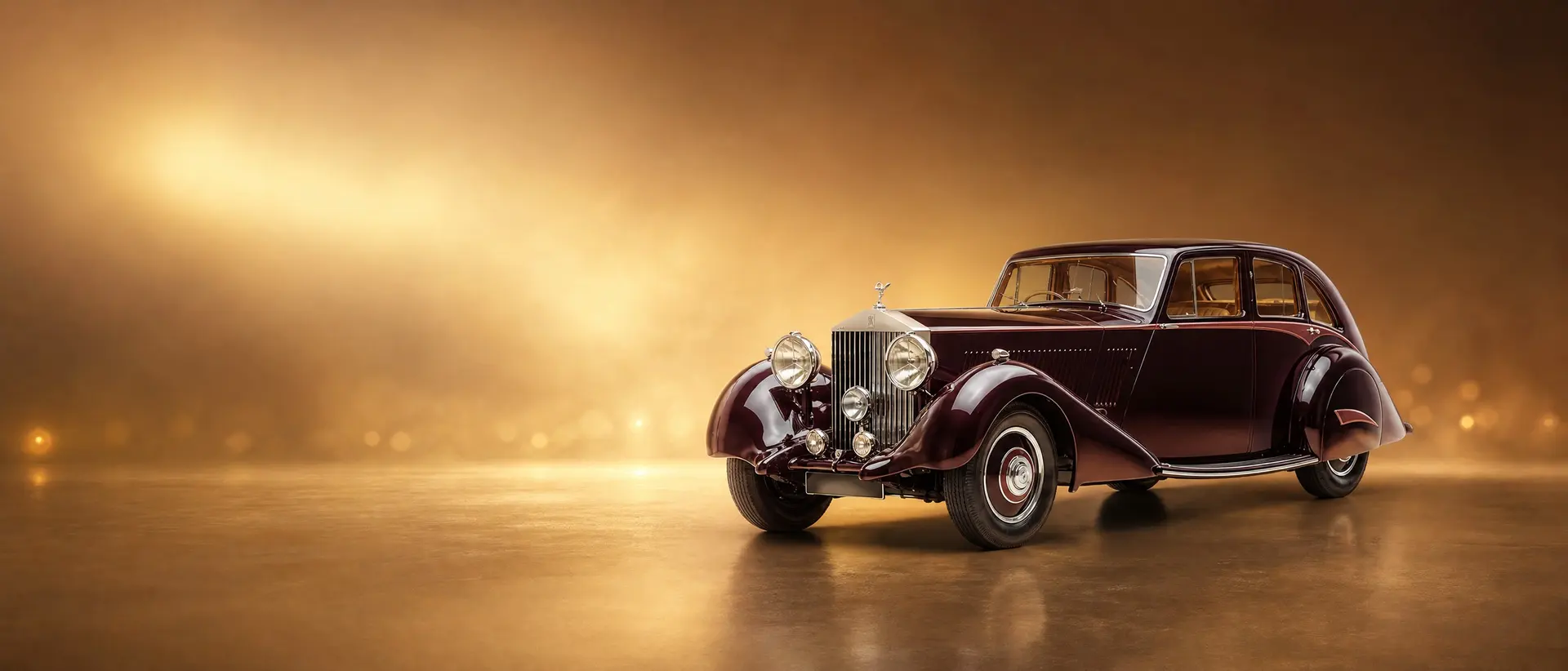
Sir Henry Royce in a tweed three-piece suit beside a Rolls-Royce Phantom II, one hand on the bonnet, a folded drawing in the other, under a single spotlightAI-generated

People · Engineer · 1863–1933

Sir Henry

rub out, alter, improve, refine

Born
Alwalton, 1863
Died
West Wittering, 1933
House
Rolls-Royce, 1904–1933
In the register
Four files

The standard

An apprentice from the Great Northern Railway’s locomotive works, Royce built dynamos and cranes in Manchester for twenty years before he touched a motor car. When he did, he bought the finest one he could find — a Decauville — dismantled it, and used the analysis as his basis for improvement. The 40/50 H.P. that followed made refinement something you could measure.

His authorship sits in the chassis, the engines and the running gear; period Rolls-Royces left the works as rolling chassis for independent coachbuilders to clothe. What he owned was the programme — one continuous act of mechanical refinement, from the Silver Ghost to the V12 he did not live to see built. The register below holds its four files.

Rub out, alter, improve, refine — the drawing-office maxim

His standing instruction to the drawing office

The examined detail

The teardown, the trial, the bare chassis

The dismantled Decauville

He chose the Decauville because he judged it the best car available, took it apart, and used the analysis as a basis for improvement. The method never changed.

Revision without end

His corrections could reach the smallest component, so early production cars vary even within one series. The specification was never finished, only current.

Silence, measured

The 40/50 H.P.’s vibration control and demanding road trials made quietness and reliability engineering outcomes — measurable, not decorative.

The precise use case

The 26EX began as Royce’s own requirement for a smaller, faster long-distance car. Weight and wind resistance entered the Phantom brief because his travel demanded it.

The bare chassis

He supplied engines, chassis and running gear; independent coachbuilders determined body, interior and silhouette. His authorship stops, deliberately, at the frame.

The archive

Prints from the drawer

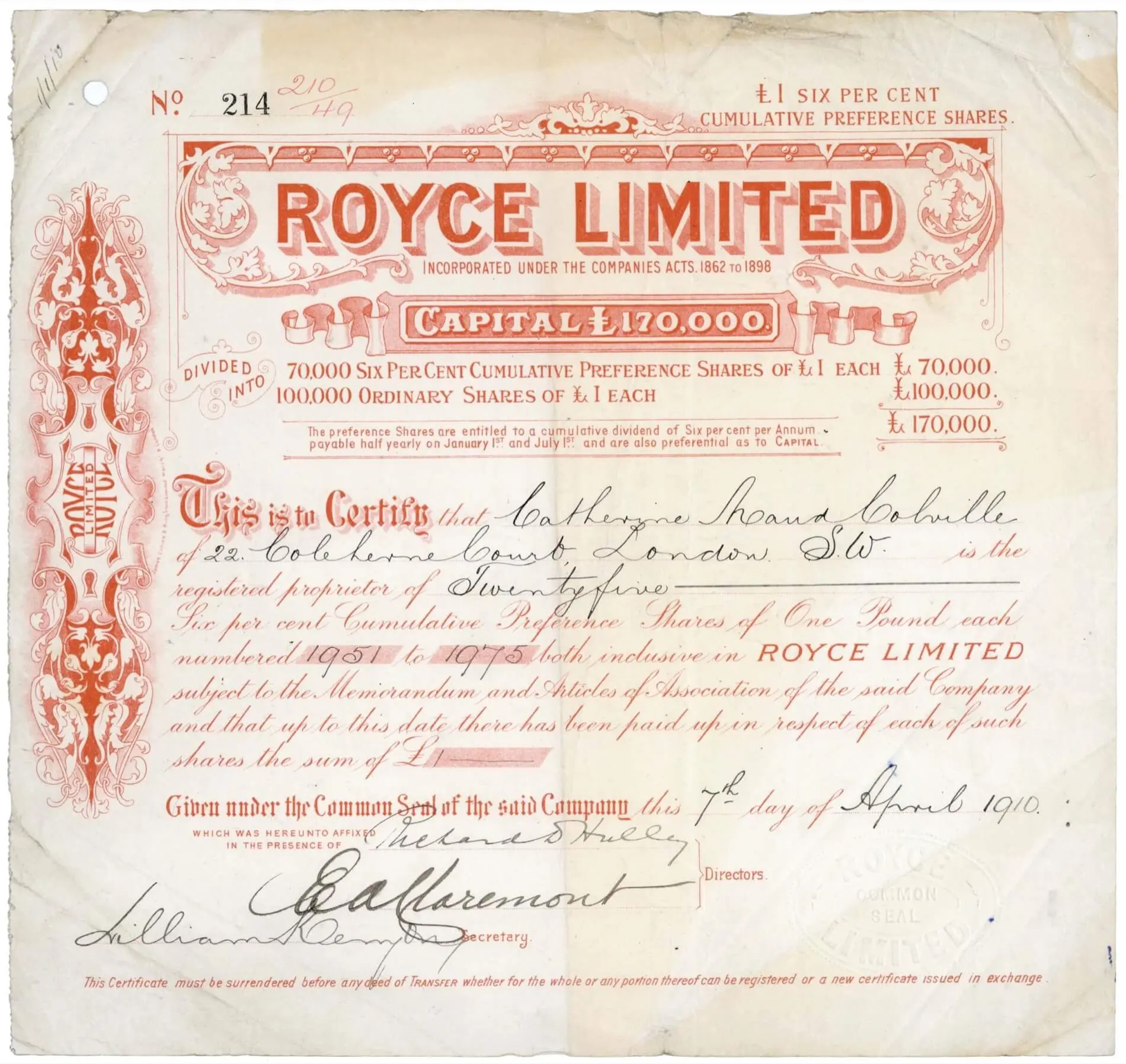
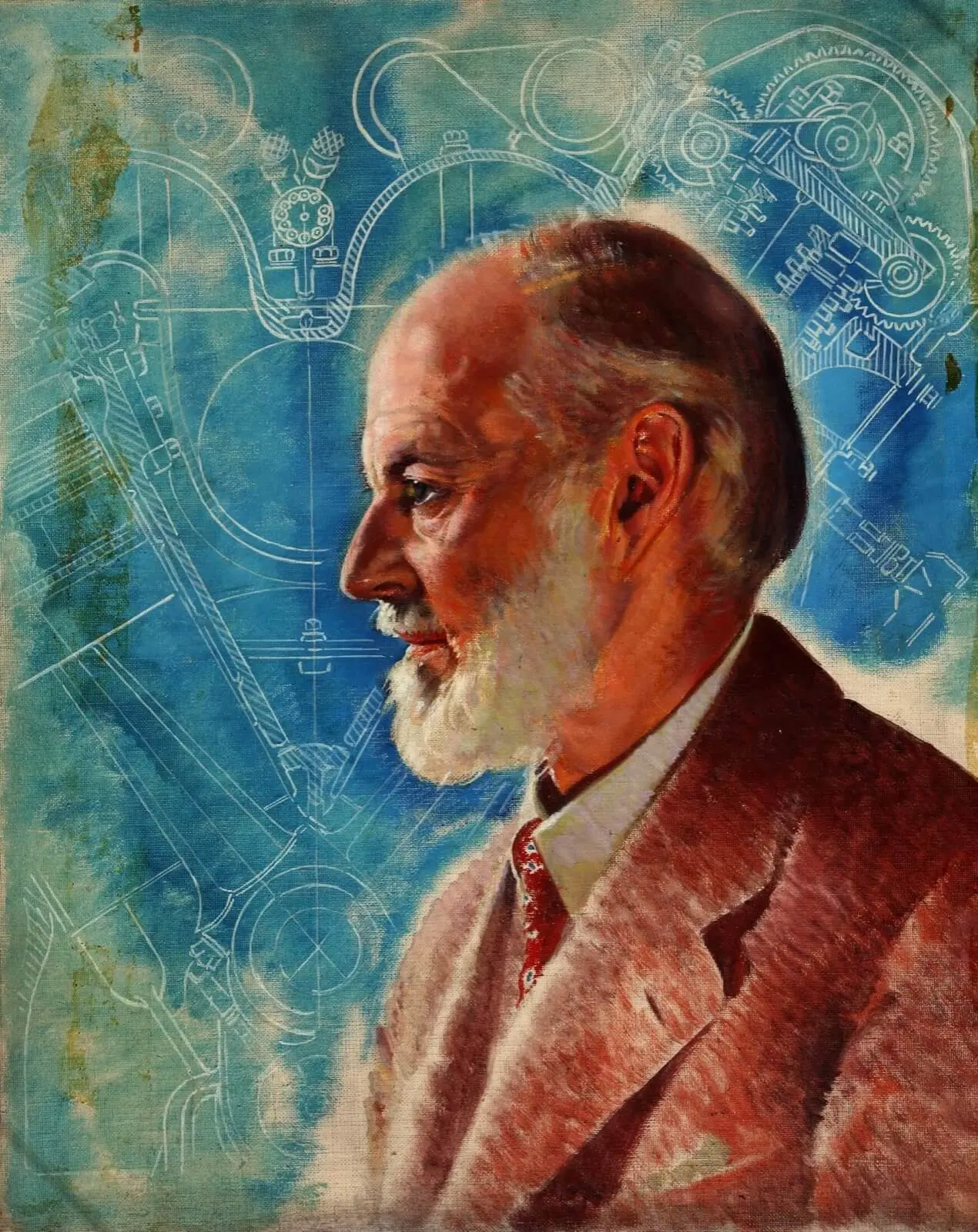
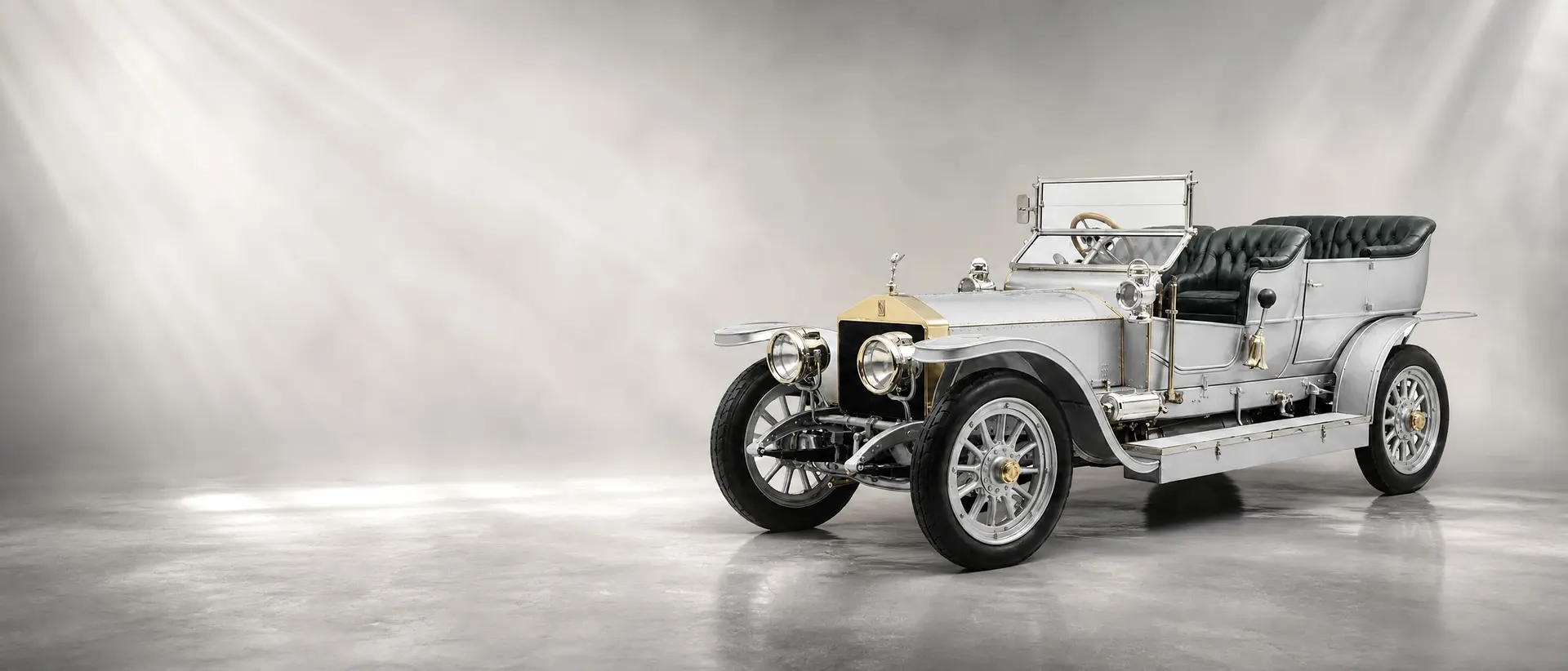
Press photographs, a share certificate and a painted portrait — choose a print and it pushes the others aside.

Sir Henry Royce in profile. Public domain, via Wikimedia Commons.

Before the motor car

From the dynamo to the Eagle

Great Northern Railway, Peterborough

Locomotive-works apprentice, 1879–81. The trade learned at the bench.

Electric lighting, London and Liverpool

Electrical engineer from 1881, then first electrician for street and theatre lighting, 1882–84.

F. H. Royce & Co / Royce Ltd, Manchester

His own firm from 1884 — dynamos, motors, winches and cranes. Twenty years of current and load before the first car.

The Eagle aero engine

Designed from 1914; the engine that began Rolls-Royce’s aero line.

The hands beside him

Charles Stewart Rolls

The commercial counterpart

Rolls undertook to sell every car Royce could build — the 1904 agreement that joined his engineering to Rolls’s salesrooms and put both names on the radiator.

Claude Johnson

Managing director

His one-model policy prompted the 40/50 H.P.; he then named chassis 60551 “Silver Ghost”. Credited beside Royce in the same register file.

Ivan Evernden

The engineering heir

Royce asked Evernden and the development team for 26EX. He is credited beside him on the Phantom II, and appears again in the register’s Bentley R-Type Continental.

In his words

“Strive for perfection in everything you do. Take the best that exists and make it better.”

Henry Royce · quoted by Rolls-Royce Motor Cars