People

Harvey Postlethwaite

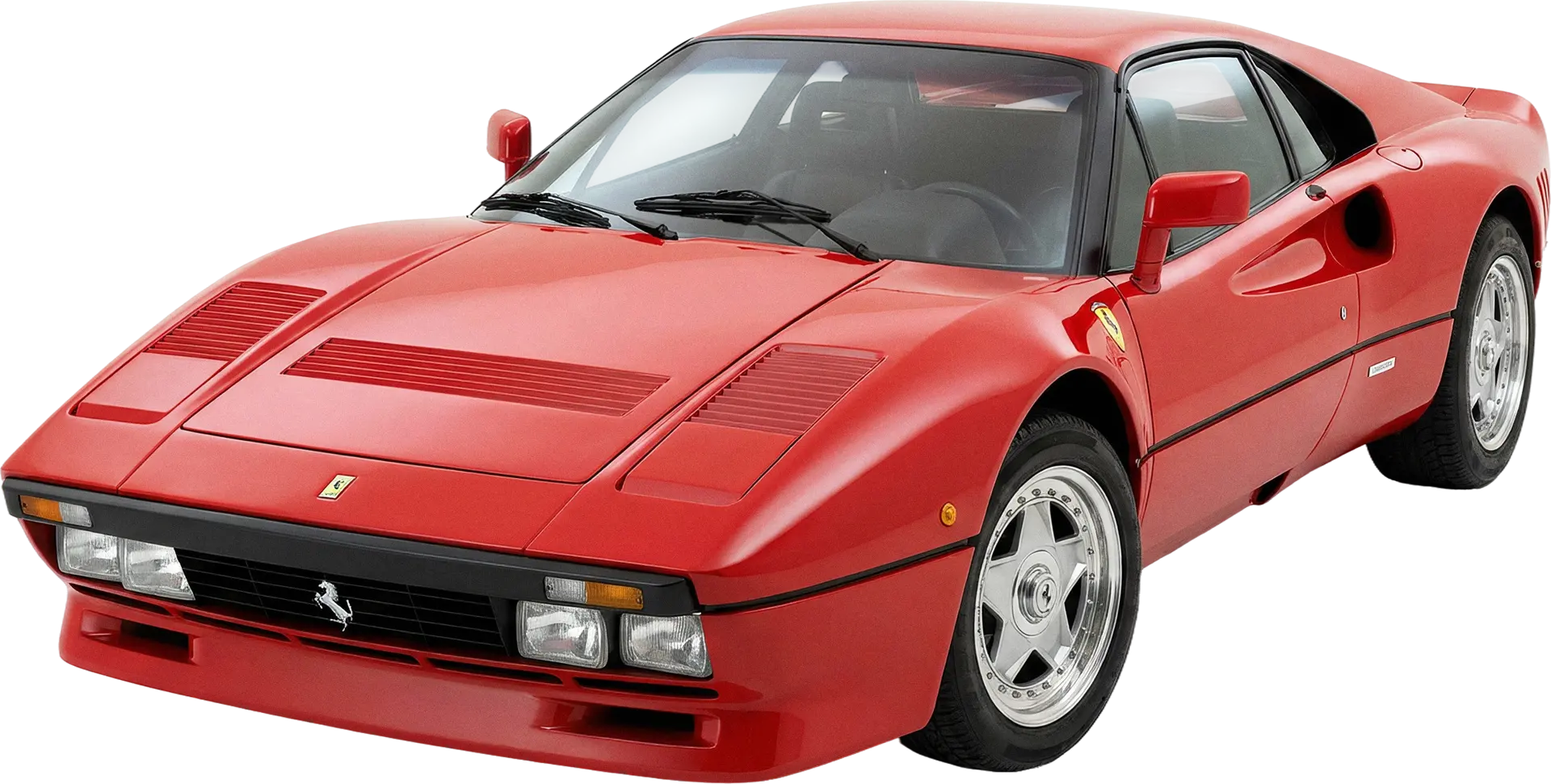
Ferrari Gestione Sportiva technical director who headed 288 GTO development

Born
Barnet, 1944
Died
Barcelona, 1999
Nationality
British

The record

British Formula One engineer who headed Ferrari GTO development as Gestione Sportiva technical director and was credited with its composite-body technology.

Born in Barnet on 4 March 1944, Postlethwaite attended the Royal Masonic School for Boys and Birmingham University, graduating in mechanical engineering before completing doctoral research on automotive crash research. He worked in ICI’s research department in Runcorn before joining March Engineering in 1970. At March he worked on the two-litre sports car and the March-BMW 732 driven by Jean-Pierre Jarier to the 1973 European Formula Two championship.

Lord Hesketh hired him as chief engineer after Hesketh acquired a March 731. Postlethwaite developed the Hesketh 308, whose rubber-sprung 1975 version carried James Hunt to the Dutch Grand Prix win. When Hesketh ran out of funds, he moved to Walter Wolf’s operation and designed the WR1; Jody Scheckter won its 1977 Argentine debut, then Monaco and Canada, finishing second in the drivers’ championship.

Ferrari recruited him in 1981 to improve the chassis for its turbocharged V6. He designed the 126C2, and Ferrari won the constructors’ championships in 1982 and 1983. In 1982 Gilles Villeneuve was killed at Zolder and Didier Pironi was seriously injured at Hockenheim; Keke Rosberg took that year’s drivers’ title and Nelson Piquet the next. Postlethwaite left Ferrari in 1987 after John Barnard’s arrival.

Ferrari’s own retrospective says that senior Formula One personnel from the 126 C programme led GTO development under Postlethwaite, then GES technical director. CAR’s 1985 road test attributed the lightweight plastics mainly to him: glassfibre panels, apart from the doors, and Kevlar composite at the rear bonnet and bulkhead. Nicola Materazzi developed the twin-turbo V8; Leonardo Fioravanti at Pininfarina shaped the body.

F1 composites on the GTO

CAR’s 1985 account said the GTO’s lightweight plastics were mainly Postlethwaite’s work: glassfibre body panels apart from the doors, with Kevlar composite at the rear bonnet and bulkhead. Evo described a Kevlar-glassfibre honeycomb composite derived from Ferrari Formula One practice.

Chassis for the turbo V6

Ferrari hired Postlethwaite to improve the chassis for its turbocharged V6. His 126C2 took the 1982 constructors’ title; the revised 126C2B repeated the result in 1983.

First World Championship victory

Postlethwaite designed the Hesketh 308 and Wolf WR1. Hunt’s 1975 Dutch Grand Prix victory was his first World Championship Grand Prix win; Scheckter won three Grands Prix for Wolf in 1977.

The stations

  1. 1970–1973March EngineeringEngineer
  2. 1973–1975Hesketh RacingChief engineer
  3. 1976–1979Walter Wolf RacingDesigner
  4. 1980–1981Fittipaldi AutomotiveDesigner
  5. 1981–1987FerrariTechnical director
  6. 1987–1991TyrrellTechnical director
  7. 1991SauberTechnical director
  8. 1991–1993FerrariTechnical director
  9. 1994–1998TyrrellTechnical director and managing director
  10. 1998–1999Honda Racing DevelopmentsTechnical director

The house

Ferrari

Credited through Ferrari.

In the register

One file carries this name

The files above are the register's own record of this name. The people index holds everyone the register credits.

In their words

After you have worked with all these facilities and resources, it's a bit difficult to envisage going back to work with any other formula one team in this game.

Harvey Postlethwaite · The Guardian, 1999