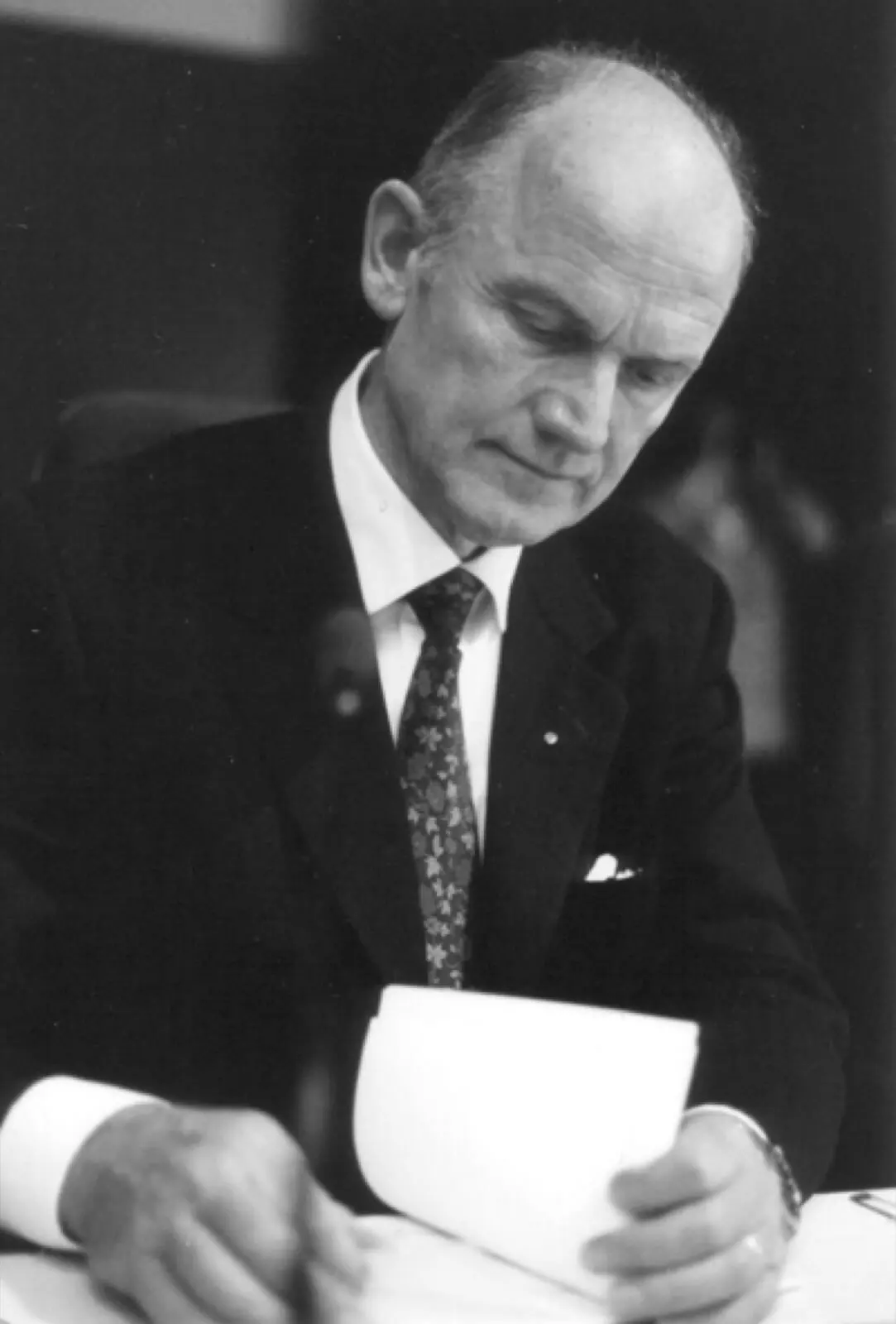
Portrait photograph of Ferdinand Piëch.

People

Ferdinand Piëch

Porsche engineer and development leader

Born
Vienna, Austria, 1937
Died
Rosenheim, 2019
Nationality
Austrian

Wikimedia Commons

The record

Austrian engineer and grandson of Ferdinand Porsche who led Porsche development through the 906 Carrera 6, 908 and 917. He gave the 917 its go-ahead and saw Porsche's first overall Le Mans win in 1970, then took the same technical drive to Audi and Volkswagen before his death in 2019.

Born in Vienna on 17 April 1937 to Anton Piëch and Louise, née Porsche, he boarded at the Lyceum Alpinum in Zuoz and took a mechanical-engineering diploma at ETH Zurich in 1962. His thesis was an air-cooled twelve-cylinder Formula 1 engine. He joined Porsche's engine-testing department in Stuttgart-Zuffenhausen on 1 April 1963 and led testing from 1966, after an oil cooler for the Type 904 and a 180 PS six-cylinder race engine.

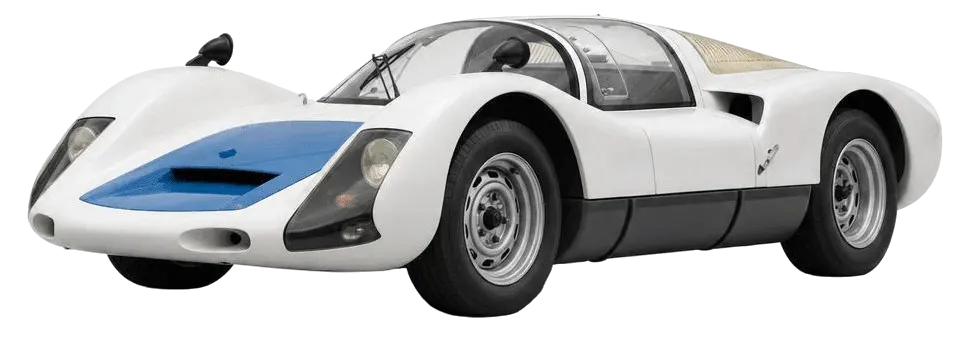
The register credits him as development supervisor for the 906 Carrera 6. Porsche records that he initiated the race-car design department in 1965 and that the 1966 works racing effort was concentrated on the 906. He became Head of Development in 1968. The 911's six-cylinder boxer reached series maturity under his leadership.

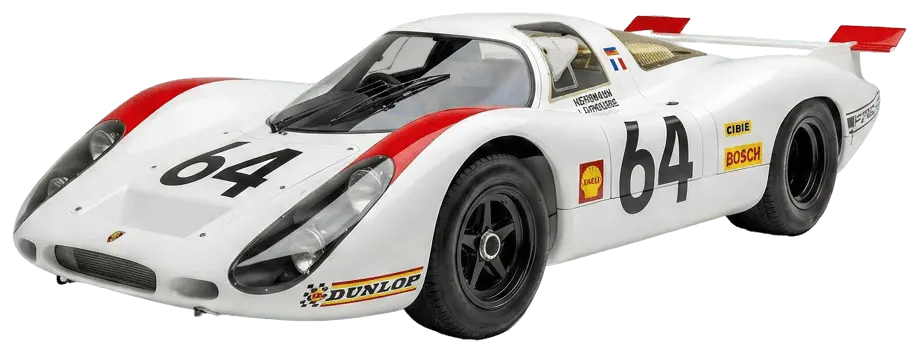
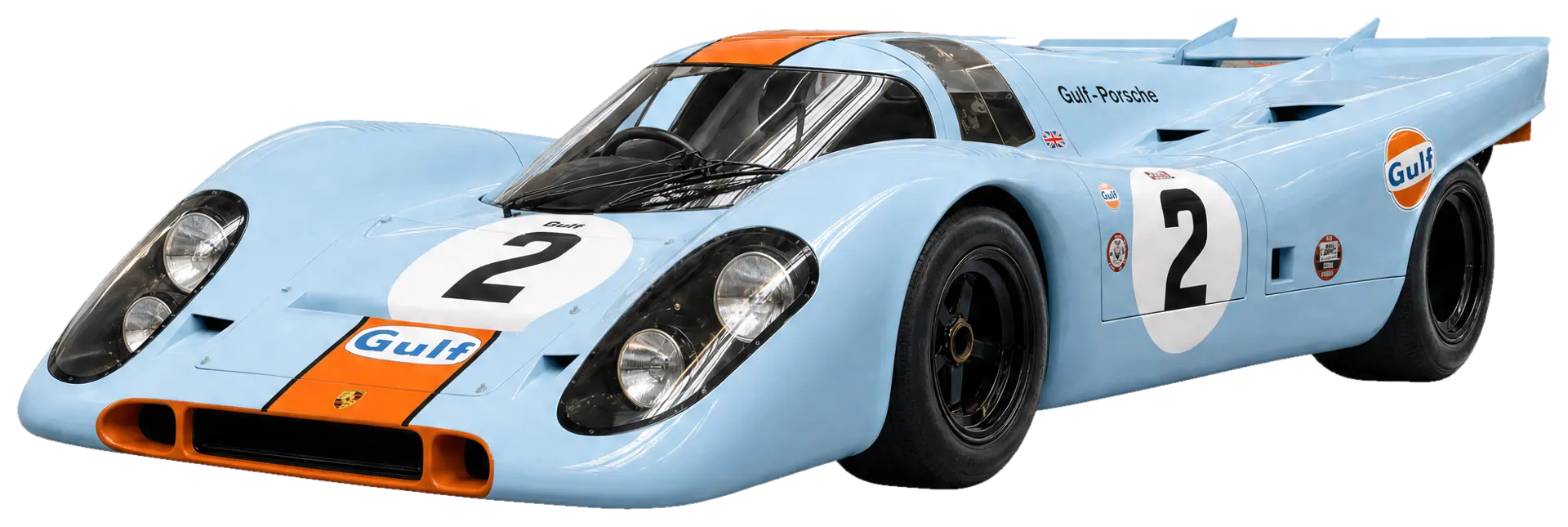
As Head of Development he ran the 908 and 917. He gave the 917 its go-ahead after the five-litre rule change; Porsche built twenty-five homologation cars in ten months for Geneva on 13 March 1969. The twelve joined two sixes around a centre take-off drawn from his ETH thesis. Hans Mezger held overall construction and the engine, Helmuth Bott the chassis. Hans Herrmann and Richard Attwood won Le Mans overall in a Porsche Salzburg 917 short-tail in 1970.

He joined Porsche's executive board for technology in 1971 and left in 1972, when family members vacated operational posts as the firm became a stock corporation. At Audi NSU Auto Union he rose from technical development to the board in 1975 and chaired Audi AG from 1988. Volkswagen made him chairman of the board of management on 1 January 1993 and of the supervisory board on 16 April 2002. He resigned all Group mandates in April 2015 and died in Rosenheim on 25 August 2019.

Weight discipline

Porsche's 908/03 account records Piëch's insistence on reducing weight, leading engineers to use titanium, aluminium and magnesium and minimise material thicknesses. The aluminium tube frame weighed just over 30 kilograms and the body twelve; race-ready, the 1970 car was 545 kilograms.

Centre-drive twelve

His ETH diploma was an air-cooled twelve-cylinder Formula 1 engine. For the 917 he had two sixes joined as a 4.6-litre flat-twelve and used a centre take-off to tame the crankshaft, a layout first studied in that thesis. Hans Mezger held overall construction and the engine.

No raised spoilers

On the 908/03, project manager Manfred Bantle recorded that Piëch really did not like spoilers and always wanted them two centimetres lower. Hermann Burst found the downforce without one; wings appeared only in the car's 1971 season.

The stations

  1. 1963–1966Porsche KGEngineer, engine testing
  2. 1966–1968Porsche KGHead of testing
  3. 1968–1971Porsche KGHead of Development
  4. 1971–1972Porsche KGExecutive board, technology and external development
  5. 1972–1975Audi NSU Auto Union AGTechnical development; head of overall testing from 1973, head of technical development from 1974
  6. 1975–1988Audi NSU Auto Union AG / Audi AGBoard member for technical development
  7. 1981–2015Porsche AGMember of the Supervisory Board
  8. 1988–1992Audi AGChairman of the Board of Management
  9. 1992–1993Volkswagen AGMember of the Board of Management
  10. 1993–2002Volkswagen AGChairman of the Board of Management; Volkswagen brand board from 1 August 1993
  11. 2002–2015Volkswagen AGChairman of the Supervisory Board

The house

Porsche

Credited through Porsche.

In their words

Der Porsche 917 wurde der ultimative Sportwagen und lief immer im Grenzbereich.

Ferdinand Piëch · Ferdinand Piëch, "Die Königsklasse des Automobilbaus – von der ETH Zürich zum Bugatti Veyron," ETHistory, March 2005