Passenger to works driver
He entered racing as Luigi Chinetti's passenger on the 1953 Carrera Panamericana. Three seasons later Scuderia Ferrari ran him in Formula 1 and sports cars, including the 250 GT Berlinetta he bought.
People
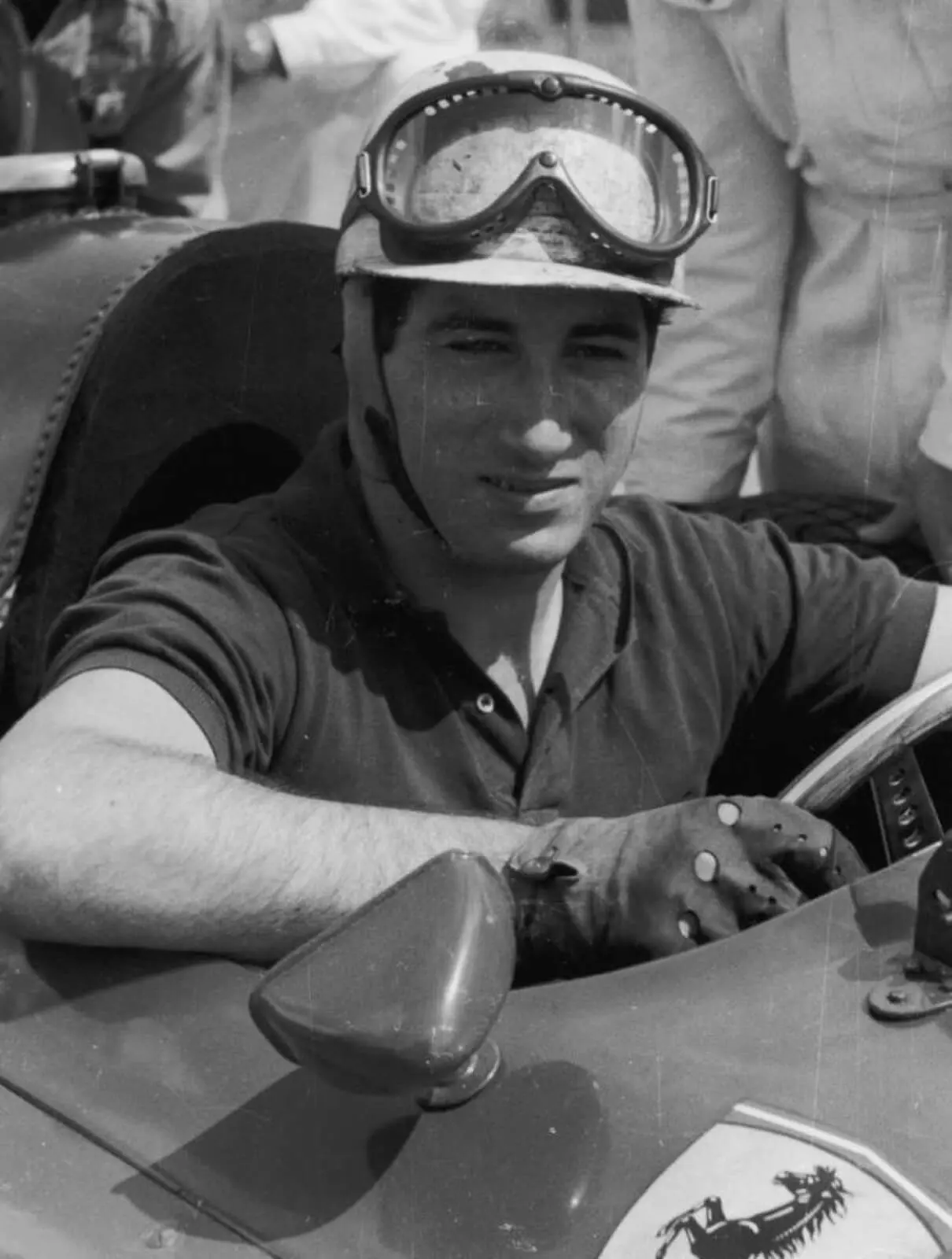
Scuderia Ferrari driver and winner of the 1956 Tour de France Automobile
Wikimedia Commons
The record
Spanish Marquess who, as a Scuderia Ferrari driver, won the 1956 Tour de France Automobile in a 250 GT Berlinetta, the result from which the model later took its informal Tour de France name.
Alfonso Cabeza de Vaca y Leighton was born in Marylebone, London, on 11 October 1928, heir to the Spanish marquessate of Portago. Before motor racing he was France's leading amateur rider for three years and rode as a gentleman jockey in the Grand National at Aintree in 1950 and 1952. On 27–28 January 1956 he steered Spain's first Olympic two-man bob at Cortina d'Ampezzo, finishing fourth with his cousin Vicente Sartorius, fourteen hundredths of a second from bronze.
Luigi Chinetti took him as passenger in a Ferrari on the 1953 Carrera Panamericana; the car retired on the second day. His first start as a driver was the 1954 Buenos Aires 1000 km, second with Harry Schell in a Ferrari 250 MM. He then raced as a privateer in Ferraris, a Maserati and an Osca, winning at Metz in a Maserati A6GCS, until a Ferrari 625 practice crash at Silverstone broke his leg in May 1955.
Scuderia Ferrari signed him for 1956. His World Championship debut was the French Grand Prix on 1 July, where he did not finish; a fortnight later at Silverstone he handed his car to Peter Collins, who finished second, and also finished tenth in Eugenio Castellotti's damaged car.
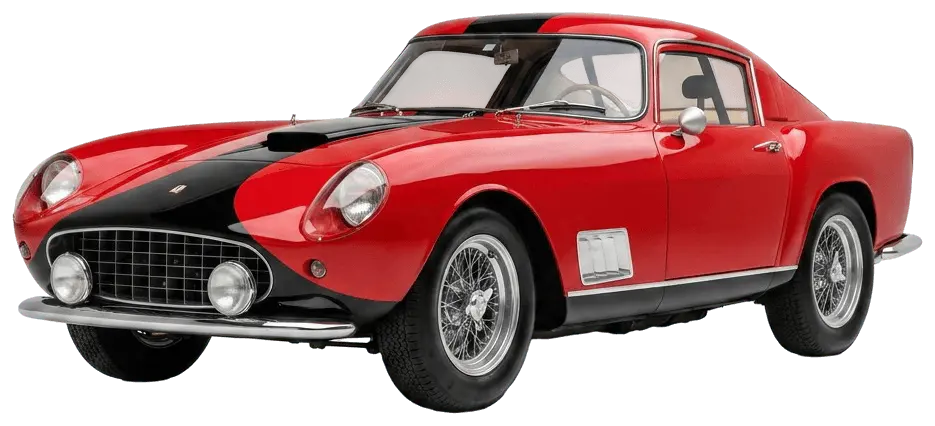
He bought a 250 GT Berlinetta, chassis 0557 GT. With Edmund Nelson as co-driver he won the 1956 Tour de France Automobile, a six-day mix of road stages, circuits and hillclimbs, finishing ahead of Stirling Moss and Georges Houel in a Mercedes-Benz 300 SL. Ferrari later wrote that this victory earned the berlinetta its informal Tour de France name.
A shared fifth with José Froilán González in the 1957 Argentine Grand Prix was his last championship point. That winter he took two-man bronze for Spain with Luis Muñoz at the FIBT World Championships in St. Moritz. On 12 May 1957 he and Nelson were killed when their works 335 S, lying third on its race debut, left the road near Guidizzolo in the Mille Miglia.
He entered racing as Luigi Chinetti's passenger on the 1953 Carrera Panamericana. Three seasons later Scuderia Ferrari ran him in Formula 1 and sports cars, including the 250 GT Berlinetta he bought.
His privately entered 250 GT Berlinetta, chassis 0557 GT, won the 1956 Tour de France Automobile with Edmund Nelson as number 73. Ferrari later dated the model's informal Tour de France name to that result.
His four World Championship points all came from shared drives: second at the 1956 British Grand Prix after he handed his Lancia-Ferrari to Peter Collins, and fifth at the 1957 Argentine Grand Prix with José Froilán González.
The stations
The house
Credited through Scuderia Ferrari.
In the register
The files above are the register's own record of this name. The people index holds everyone the register credits.
In their words
“For me, a car is either a means of getting from A to B, or it's something to race.”
Alfonso de Portago · Riverside Records interview, 1957, quoted in Motor Sport, May 2002
Sources