Historic racing · 2026
Le Mans Classic
July 2–5, 2026Circuit des 24 Heures · Le Mans
The fixture
The full 24-hour grid, era by era: Le Mans Classic runs day and night on the Circuit des 24 Heures, with fields organised by period so a 1955 D-Type races cars it actually met. From 2026 the event runs annually — the biggest change in its history.
For provenance, the Classic is a working archive. Cars with Le Mans history return to the exact track, and their appearance sheets become part of the record.
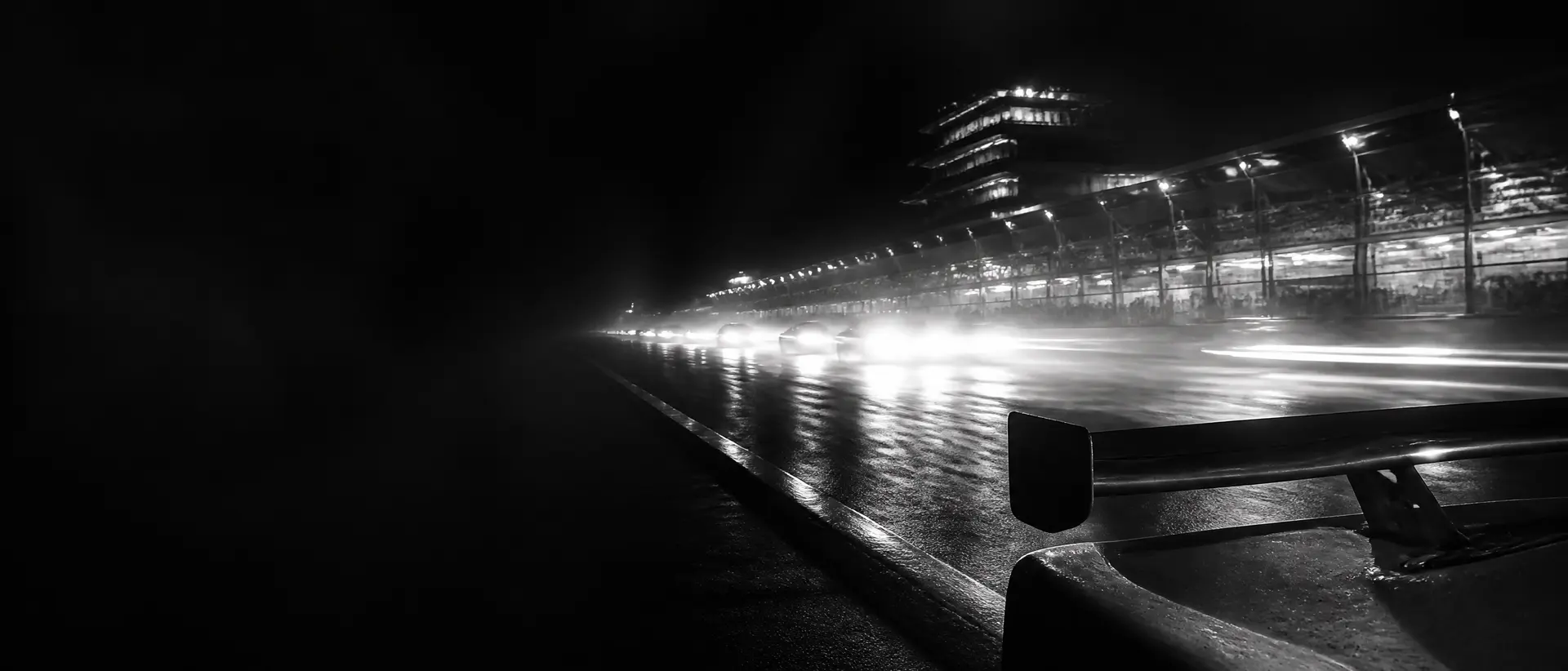
A Le Mans car returning to Le Mans — the ledger links the lap to the original race entry.
- Dates
- July 2–5, 2026
- Venue
- Circuit des 24 Heures
- Place
- Le Mans (FR)
- Type
- Historic racing
- Dated from
- lemansclassic.com
Results from this fixture feed the ledger — record sales, class wins and documented outings land in the affected cars’ files.
The origin
2002
Le Mans Classic began in 2002 as a retrospective of the 24 Hours. Patrick Peter, whose Peter Auto had organised the Tour Auto and Ferrari Shell Historic Challenge, proposed it to the Automobile Club de l’Ouest during the 2001 race, when the Shell challenge was its support event. Peter insisted on the full public-road circuit rather than the Bugatti Circuit. The inaugural meeting ran in September with about 300 cars that had raced at Le Mans from 1923 to 1971, divided into five grids. Richard Mille became title sponsor in 2002.
How it runs
- Annual formats
- From 2026, Le Mans Classic is annual and alternates Legend and Heritage. The 2026 Legend edition used five main grids, 6 to 10; Heritage is scheduled for 2027 with grids 1 to 5. Both formats keep the fixture on the Circuit des 24 Heures.
- Race sessions
- The 2026 Legend grids ran official, timed races rather than demonstrations. Each had a qualifying session, a free-practice session and three races; the published grid schedules range from 40 to 50 minutes for a race. Drivers must hold a valid racing licence and meet the event’s sporting and safety requirements.
- Auction, clubs and support races
- Artcurial Motorcars staged the official 2026 auction on the Circuit des 24 Heures, with an online sale running alongside it. The club and collector programme listed 3,200 display cars from 100 clubs. Support races included Porsche Classic Cup, Berlinetta Challenge, GT3 Revival and HSR NASCAR Classic.
- Little Big Mans and series
- Little Big Mans is a Bugatti Circuit parade for children aged seven to twelve in thermal or electric miniature replicas. Peter Auto renamed its Historic Racing calendar Le Mans Classic Series for 2026; a participant with an eligible model receives preferential treatment when applying for Le Mans Classic.
On the record
- 2002
At the inaugural meeting, the full Circuit des 24 Heures is closed for an event other than the modern 24 Hours for the first time since 1923. The Festival International de l’Automobile names Le Mans Classic Event of the Year 2002.
- 2004
Christie’s sells the Works No. 2 1930 Bentley Speed Six Tourer for €4,188,250 at its Le Mans Classic sale, then a world record for the marque at auction. The car finished second at Le Mans in 1930.
- 2006
Three Ford GT40s that occupied the 1966 Le Mans podium return and cross the line together. Adrian Newey crashes his own GT40 at the second chicane during his last race and leaves unhurt.
- 2016
Andy Wallace finishes third overall and wins his class in a Jaguar D-Type in the Jaguar Classic Challenge support race. The field comprises 65 racing Jaguars; Wallace’s car was the 1955 Le Mans winner.
- 2023
The Centenary edition draws 235,000 spectators and 700 racing cars. It follows the postponed 2022 tenth edition by a year, an exceptional return timed to the centenary of the 24 Hours of Le Mans.
In the register
Sources
- lemansclassic.com
- lemansclassic.com
- lemansclassic.com
- lemansclassic.com
- lemansclassic.com
- lemansclassic.com
- automedia.revsinstitute.org
- classic-media.fr
- i-m-magazine.com
- 24h-lemans.com
- 24h-lemans.com
- 24h-lemans.com
- 24h-lemans.com
- media.jaguar.com
- christies.com
- christies.com
- grandprix.com
- sportscardigest.com
- lemansclassicseries.alkamelsystems.com